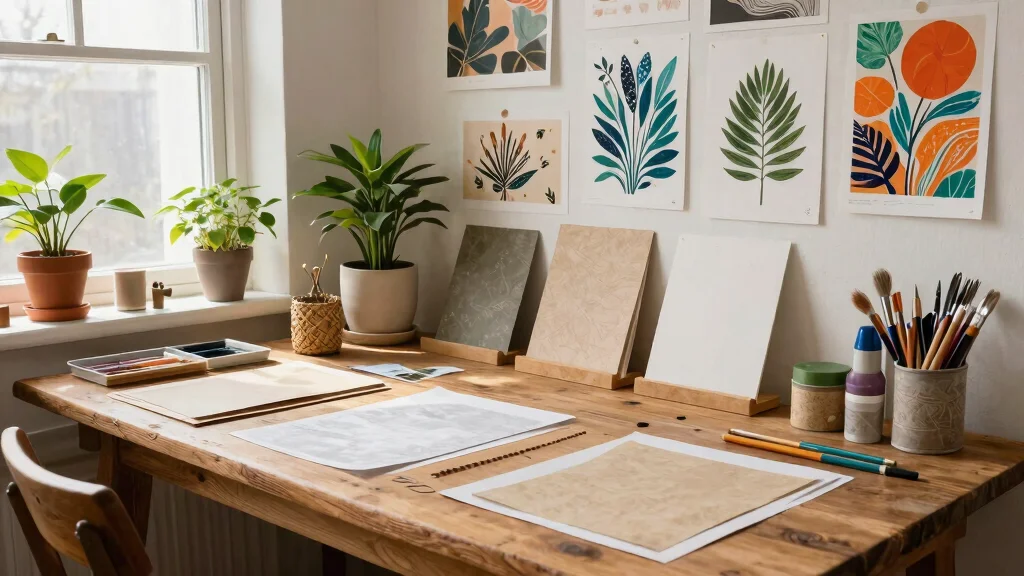
Creating beautiful wall art can transform your home into a haven of creativity and self-expression. With so many options available, figuring out the best paper for printing wall art can be quite a challenge. I made this post to help you navigate through the myriad of choices, especially if you’re on a quest to find eco-friendly options. After all, who doesn’t want their decor to reflect their values while also looking stunning?
If you’re someone who loves home decor and is committed to sustainability, this guide is for you. Whether you’re an artist, a hobbyist, or just someone looking to spruce up your living space, knowing about different printing paper types will make all the difference. You’ll discover ten exceptional paper options, each with unique attributes that cater to various artistic styles and techniques.
By the end of this post, you will have a clear understanding of which papers are the best for your wall art projects. You’ll gain insights into the qualities of each type, allowing you to make informed choices that suit your aesthetic and eco-conscious lifestyle. Let’s dive in!
Key Takeaways
– Diverse Options: Discover ten different types of paper for printing wall art, each offering unique textures and finishes that enhance your art.
– Eco-Friendly Choices: Learn about sustainable options like recycled and bamboo paper, making it easier to choose materials that benefit both your art and the environment.
– Texture Matters: Understand the impact of texture on your prints, from the smoothness of matte photo paper to the tactile quality of watercolor paper.
– Professional Quality: Get insights into high-quality print papers that are favored by artists and photographers for their durability and vibrant color reproduction.
– Practical Tips: Find actionable advice on selecting the right paper for different wall art techniques, ensuring your prints look their best and last longer.
1. Watercolor Paper: The Textured Delight

When you embrace the soft, ethereal beauty of watercolor art, choosing watercolor paper becomes essential for achieving that dreamlike quality. This paper is purposefully designed to absorb pigments, allowing your watercolors to flow and blend seamlessly, capturing subtle nuances that make each piece truly one-of-a-kind. The textured surface not only adds depth but also enhances the overall character of your prints, whether they feature delicate florals or bold abstract designs.
To make the most of your watercolor creations, consider using high-quality archival inks to ensure your artwork remains vibrant over time. You can find budget-friendly options at local art supply stores or online retailers, making it easy to explore your artistic side without breaking the bank.
Consider these tips to maximize the potential of your watercolor paper:
– Pair watercolor prints with natural wood frames for a rustic charm.
– Use floating frames to highlight the texture of your paper.
– Incorporate pastel hues for a soft and airy aesthetic.
This approach not only elevates your artwork but also creates an inviting atmosphere in your home, where textures and materials come together beautifully.
Watercolor Paper: The Textured Delight
Editor’s Choice

Canson XL Series Watercolor Pad, Heavyweight White Paper, Foldover Bindi…


KOVIEDE 50 Sheets Watercolor Paper 8.5×11 Inch 105LB/230GSM Cold Press P…
KOVIEDE 50 Sheets Watercolor Paper 8.5×11 Inch 105LB/230GSM Cold Press P…
2. Recycled Paper: Eco-Friendly Excellence
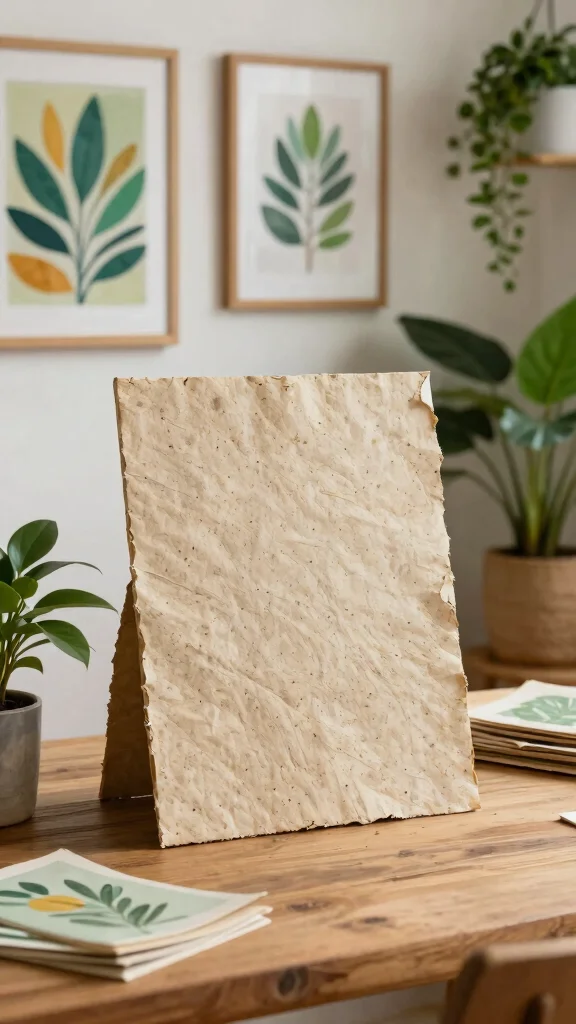
If you’re passionate about sustainability, recycled paper is an excellent choice that doesn’t compromise on aesthetics. Crafted from post-consumer waste, this eco-friendly option showcases a charming speckled pattern, adding a unique touch to your prints that celebrates its origin. You can feel good about reducing your environmental footprint while enhancing your decor with art that carries a meaningful backstory.
To achieve stunning results, look for recycled paper that works well with your printer type, ensuring bright colors and clear details. Many budget-friendly options are available at craft stores, making it easy to go green without the hefty price tag.
Here are some ways to enhance your recycled prints:
– Pair with minimalistic frames to let your art shine.
– Incorporate natural fibers in your framing for a cohesive look.
– Use earth tones to complement the paper’s organic feel.
This choice not only emphasizes your commitment to the planet but also adds an intriguing aesthetic that makes your space feel warm and inviting.
Fun fact: recycled paper can reduce water use by up to 50% and greenhouse gas emissions by 20–40% compared to virgin paper. Choosing recycled paper for your wall art not only looks great but also tells a meaningful, eco-friendly backstory.
Recycled Paper: Eco-Friendly Excellence
Editor’s Choice

Compatible for T502 Ink Refill Bottles (NotSublimation) for Eco Tank ET-…

Drawing Paper, 9″ x 12″ Craft Art Paper, 65 Sheets (68lb/100gsm) Artist …
3. Cotton Paper: Luxury Meets Sustainability
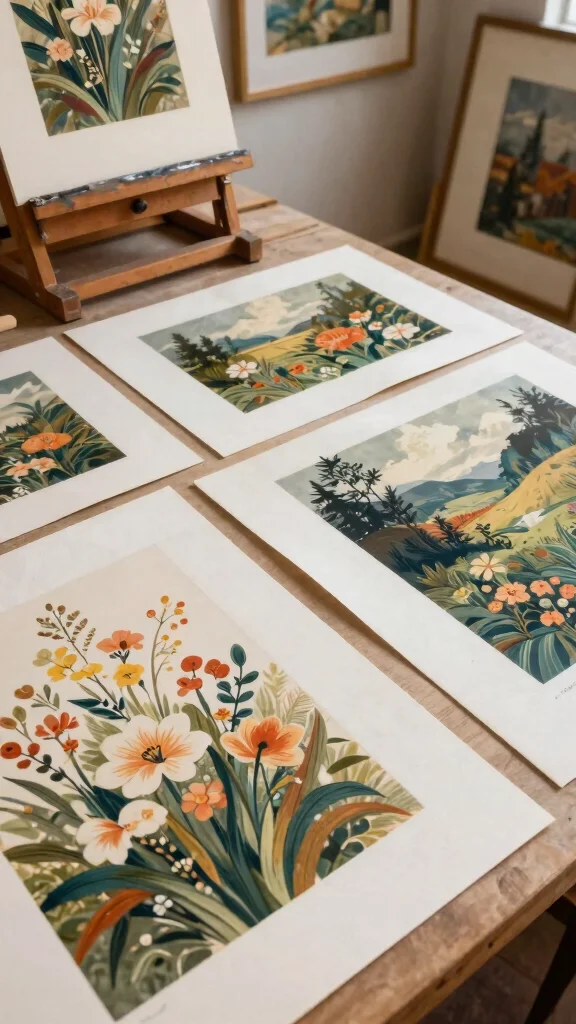
For a touch of elegance in your wall art, cotton paper stands out as a premier choice. Made from recycled cotton fibers, this luxurious paper not only feels soft but also offers exceptional durability, ensuring your prints maintain their vibrancy for years. The unique texture enhances both color depth and detail, making it ideal for reproducing intricate designs that deserve to be showcased.
When printing on cotton paper, consider selecting high-quality inks to preserve the fine art quality of your work. You can often find affordable cotton paper options at specialty art supply stores, allowing you to elevate your artwork without overspending.
Make the most of cotton paper with these tips:
– Incorporate antique frames to amplify the elegance.
– Use soft colors to highlight the paper’s richness.
– Frame your pieces in shadow boxes for added depth.
This combination not only enhances the beauty of your art but also brings a refined, sophisticated touch to your home decor.
Fun fact: cotton paper is made from recycled cotton fibers, a luxurious pick among the best paper for printing wall art. It absorbs inks beautifully, heightening color depth and detail while staying durable for years of display.
Cotton Paper: Luxury Meets Sustainability
Editor’s Choice

Southworth® 100% Cotton Résumé Paper, 8 1/2″ x 11″, 32 Lb, 100% Recyc…
Koh-I-Noor Ultradraw Pigment-Based Ink, 0.75 Ounce Bottle, Black (3085F….
4. Bamboo Paper: A Nature Lover’s Choice

Bamboo paper is a remarkable blend of sustainability and aesthetic appeal, making it an ideal choice for eco-conscious artists. Crafted from bamboo fibers, this paper is not only environmentally friendly but also boasts a unique texture that can elevate any artwork. Its natural look pairs beautifully with earthy themes, making it perfect for botanical prints and organic-inspired designs.
To achieve the best results, ensure that your printer is compatible with bamboo paper, as it can yield vibrant colors and intricate details. Affordable options are often available at eco-friendly retailers, allowing you to express your creativity sustainably.
Enhance your bamboo prints with these ideas:
– Combine with wooden frames for a cohesive natural look.
– Use green hues to complement the organic feel.
– Incorporate textured mats to add dimension.
This thoughtful approach not only elevates your wall art but also emphasizes your connection to nature, creating a serene and calming atmosphere in your space.
Bamboo Paper: A Nature Lover’s Choice
Editor’s Choice

Epson Expression Photo HD XP-15000 Wireless Color Wide-Format Printer, A…

Tree Free Copy Paper, 20 LB, 8.5″ x 11″, 92 Bright 100% Tree Free Carbon…

SoHo Urban Artist Watercolor Block 5×7-140lb 20 Sheets Cold Press, Profe…
5. Art Canvas: For a Professional Finish
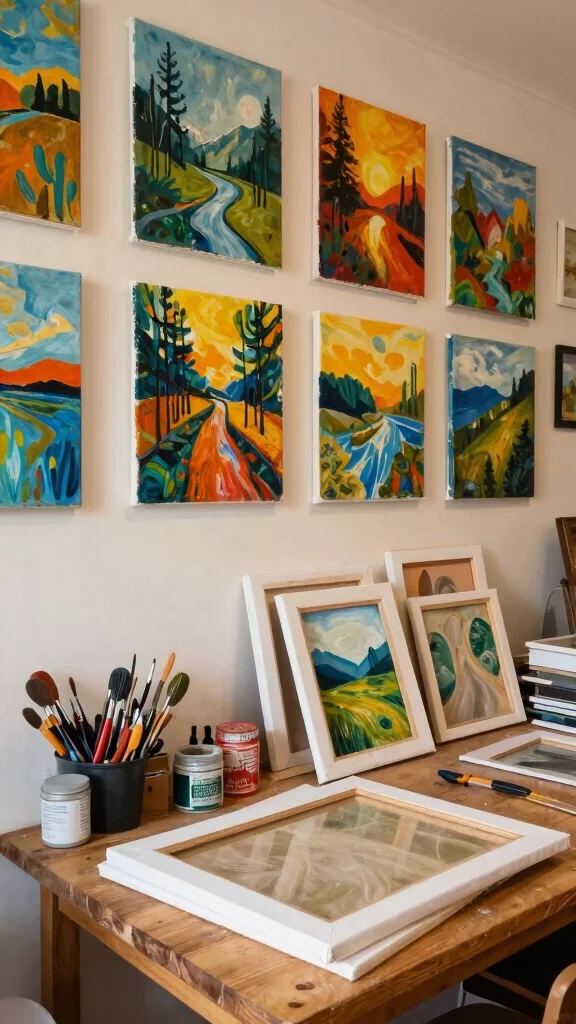
If you aspire to create gallery-quality wall art, art canvas is your best bet. This medium provides a unique depth and texture that traditional papers simply cannot match, allowing your artwork to truly stand out. Whether you’re printing photographs or modern art pieces, canvas gives your decor a striking three-dimensional quality that is hard to ignore.
When working with canvas, consider stretching your prints over wooden frames for a polished, professional appearance. Many local art stores offer affordable canvas options, making it easy to transform your favorite images into stunning displays.
Utilize these tips for optimal results with canvas prints:
– Group multiple canvas pieces for a dynamic gallery wall.
– Use bold colors to make a strong statement.
– Add LED lighting to highlight your artwork.
This technique not only transforms your prints into conversation starters but also enhances the overall aesthetic of your space, making it feel like a curated gallery.
🎨 Perfect Your Gallery Wall!
Transform your wall art vision into reality with our step-by-step planning workbook designed for stunning displays.
Art Canvas: For a Professional Finish
Editor’s Choice

DIY Wood Canvas Frame Kit 16 x20 Inch for Oil Painting & Wall Art – Cust…

Kinlop 48 Inch x 20 Feet Double Primed Cotton Canvas White Canvas Roll f…
6. Matte Photo Paper: Subtle and Sophisticated
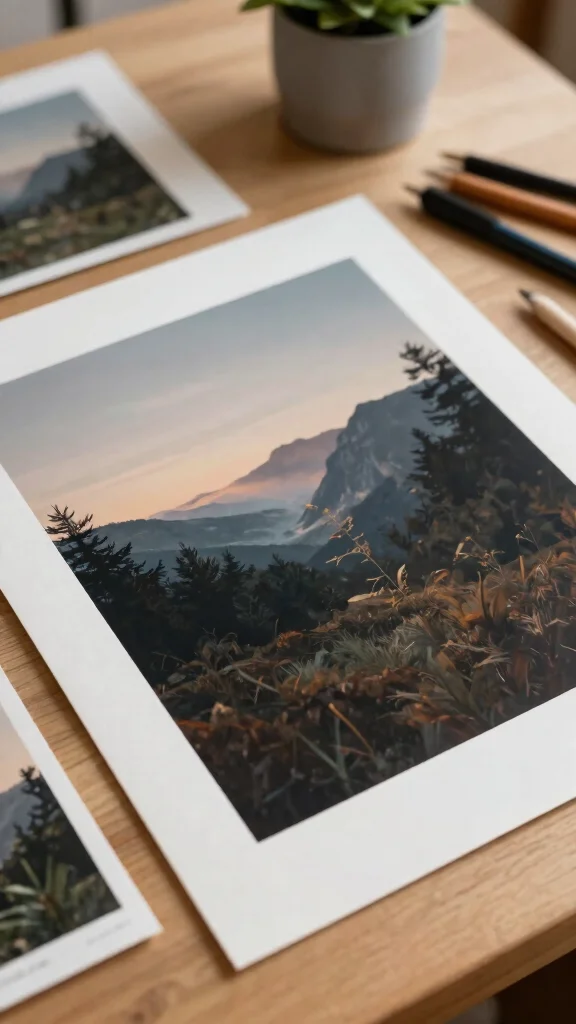
For those who prefer a soft, understated finish, matte photo paper is an excellent choice. Its non-reflective surface enhances the depth of your wall art while reducing glare, allowing for a more intimate viewing experience. This type of paper is particularly well-suited for portraits and moody landscapes, capturing colors beautifully without distraction.
When selecting matte photo paper, pay attention to its weight and thickness to ensure high-quality results. Budget-friendly options are widely available at craft and office supply stores, making it accessible for every artist.
Consider these tips to elevate your matte prints:
– Pair with minimalist frames for a chic appearance.
– Use neutral colors to complement the subtle finish.
– Incorporate texture through layering with other materials.
This approach not only draws attention to the artwork itself but also creates a calming, sophisticated atmosphere in your home.
📹 Related Video: PHOTO PAPER – which is Best For Printing? Gloss Vs Lustre Vs Matte Vs Velvet!
Matte Photo Paper: Subtle and Sophisticated
Editor’s Choice

Canon 7981A004 Photo Paper Plus, Matte, 8-1/2 x 11 (Pack of 50 Sheets)

PPD Printable Fabric Sheets, Canvas Paper for Inkjet Printer, 100% Real …

2768B018 Photo Paper Pro Platinum, 13 x 19 Inches, 10 Sheets
7. Glossy Photo Paper: Bright and Bold
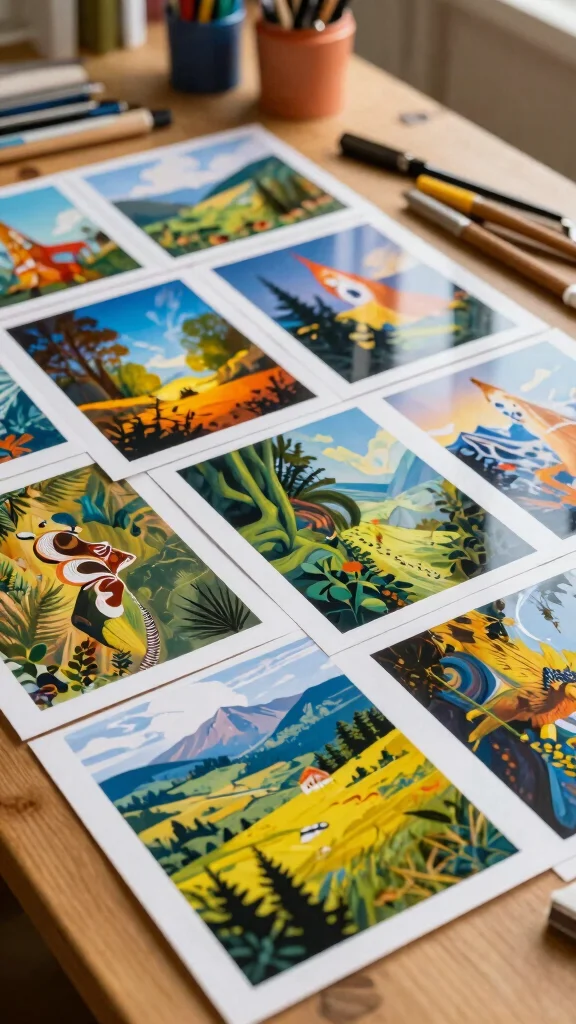
If you’re eager to make your wall art pop, glossy photo paper is an outstanding choice. Its shiny finish enhances color saturation and detail, making it perfect for vibrant images that demand attention. Whether you’re showcasing landscapes or lively portraits, glossy prints bring your favorite moments to life with clarity and brilliance.
To achieve stunning results, ensure your images are high resolution before printing. Glossy photo paper is widely available at competitive prices, making it a great option for artists on a budget.
Make your glossy prints stand out with these tips:
– Frame with glass to protect the glossy finish.
– Use bold colors for maximum impact.
– Incorporate high-contrast designs to emphasize details.
This choice not only creates visually striking artwork but also enhances the overall vibrancy of your decor, ensuring your space feels lively and engaging.
Glossy Photo Paper: Bright and Bold
Editor’s Choice

Liene M100 4×6” Photo Printer, Phone Printer 100 Sheets & 3 Cartridges,…

Glossy Photo Paper For Printer 8.5 x 11″ – (100 Sheets) – Works with Ink…
8. Fine Art Paper: The Professional’s Secret
Fine art paper is the go-to choice for artists seeking exceptional quality and a luxurious feel. Made from premium materials like cotton or alpha cellulose, this paper type provides a rich texture that beautifully reproduces fine art prints. Its archival quality means your artwork will stand the test of time, maintaining its brilliance for generations.
Choosing fine art paper ensures that every detail and color depth is captured perfectly, making it ideal for professionals and serious hobbyists alike. While it may be pricier, many brands offer affordable options without compromising quality.
Enhance your fine art prints with these suggestions:
– Use float frames to showcase the paper’s beauty.
– Incorporate rich colors for a vibrant display.
– Pair with elegant mats to elevate the artwork’s presentation.
This meticulous attention to detail transforms your wall art into a true masterpiece, adding sophistication and longevity to your collection.
Fine Art Paper: The Professional’s Secret
Editor’s Choice
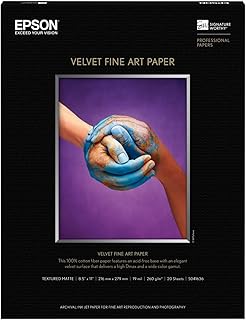
Epson Velvet Fine Art Paper (8.5×11 Inches, 20 Sheets) (S041636), White

Canon Premium Fine Art Rough Paper (FA-RG1), 8.5′ X 11′, 25 Sheets (4562…

HahnemhlePlatinum Rag Fine Art Paper (8 x 10″, 25 Sheets)
9. Canvas Textured Paper: For a Unique Touch
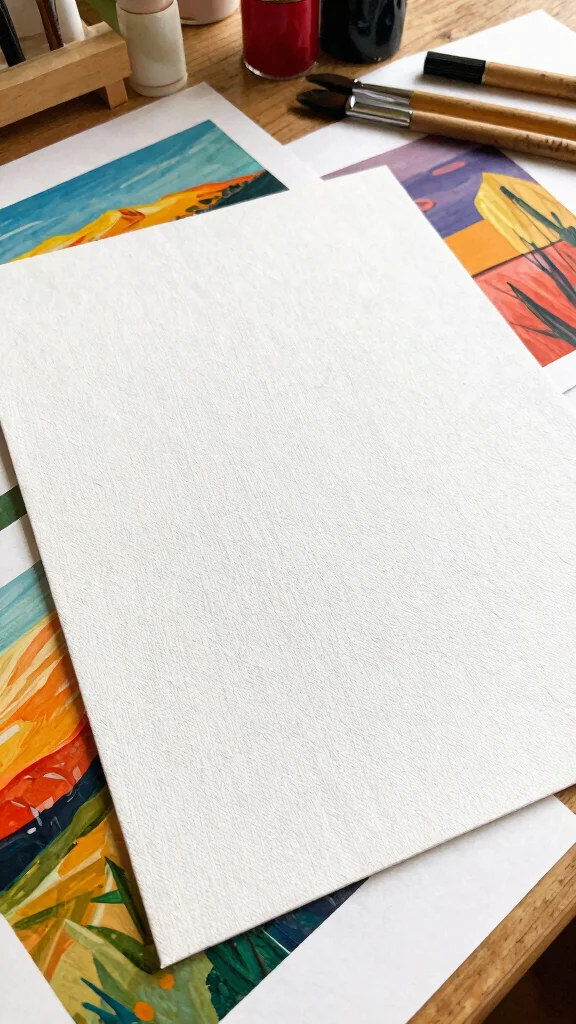
Canvas textured paper offers the best of both worlds, combining the textured feel of canvas with the convenience of paper. This innovative option enables you to achieve a unique finish that mimics traditional canvas art while remaining lightweight and easy to frame. It’s perfect for reproducing artwork that requires depth and character without the weight of a stretched canvas.
When printing on canvas textured paper, consider selecting vibrant colors that will stand out against its unique surface. Many art supply stores offer this paper at reasonable prices, making it accessible for all artists.
Here are some ways to maximize your use of canvas textured paper:
– Use for large prints for a bold statement.
– Incorporate layering techniques for added depth.
– Pair with contemporary frames to enhance the modern appeal.
This choice not only creates striking visuals but also adds an element of sophistication to your wall decor, making your space feel thoughtfully curated.
Canvas textured paper delivers the look of canvas with only 40% of the weight—making it the best paper for printing wall art when you want depth without bulk. It’s a fast, affordable way to reproduce rich textures and still easy to frame.
Key Trade-offs & Our Top Pick
Watercolor Paper
– Pros:
– Great texture adds depth and character to prints.
– Absorbent, allowing for vibrant colors.
– Ideal for art that mimics traditional painting techniques.
– Cons:
– Can be more expensive than standard printing paper.
– May not work well with all printing machines.
– Texture can interfere with fine details in images.
– Best for: Works of art that require a painterly, textured finish.
Recycled Paper
– Pros:
– Environmentally friendly option, reducing waste.
– Often less expensive than specialty papers.
– Suitable for various printing techniques.
– Cons:
– May have a rougher surface, affecting print quality.
– Color reproduction can be less vibrant compared to premium papers.
– Availability may vary based on location.
– Best for: Eco-conscious individuals looking for a budget-friendly option.
Cotton Paper
– Pros:
– Luxurious feel and appearance, enhancing print quality.
– Excellent durability, resistant to yellowing over time.
– Ideal for artworks intended to last for generations.
– Cons:
– Higher cost compared to standard paper types.
– Limited availability at local stores.
– Requires special care during printing and handling.
– Best for: High-end art prints meant for galleries or lasting displays.
Art Canvas
– Pros:
– Offers a professional finish that’s perfect for wall art.
– Can be stretched over frames for a three-dimensional look.
– Works well with various printing techniques.
– Cons:
– Requires specific printers and inks for best results.
– Can be expensive, especially for large formats.
– Not suitable for all types of artwork.
– Best for: Artists seeking a gallery-quality finish for their prints.
Fine Art Paper
– Pros:
– Specifically designed for photographic and artistic prints.
– Provides excellent color reproduction and detail.
– Often acid-free, ensuring longevity.
– Cons:
– Generally more expensive than other options.
– May require specific printer settings for optimal results.
– Availability can be limited to specialty retailers.
– Best for: Professional photographers and artists needing high detail and longevity.
Best Overall: Cotton Paper
Cotton paper stands out as the best overall choice for printing wall art. Its luxurious quality and long-lasting durability make it a favorite among artists and photographers alike. While it may come with a higher price tag, the investment pays off with stunning results that can endure over time. Its versatility allows it to accommodate a range of styles, making it a go-to for home decor.
Why We Picked This:
Cotton paper is excellent for most users seeking quality and longevity. However, if you’re on a budget or focused solely on eco-friendliness, recycled paper might suit your needs better. For those who prefer a tactile, artistic feel, watercolor or fine art papers could be the way to go. Consider your specific requirements and choose accordingly!
Canvas Textured Paper: For a Unique Touch
Editor’s Choice

Koala Thick Canvas Textured Double-sided Printer Paper 8.5X11 69LB 50she…

Epson EcoTank Photo ET-8550 Wireless Wide-Format Color All-in-One Supert…

PPD Printable Fabric Sheets, Canvas Paper for Inkjet Printer, 8.5×11″ Ph…
10. Eco-Friendly Synthetic Paper: New Age Innovation
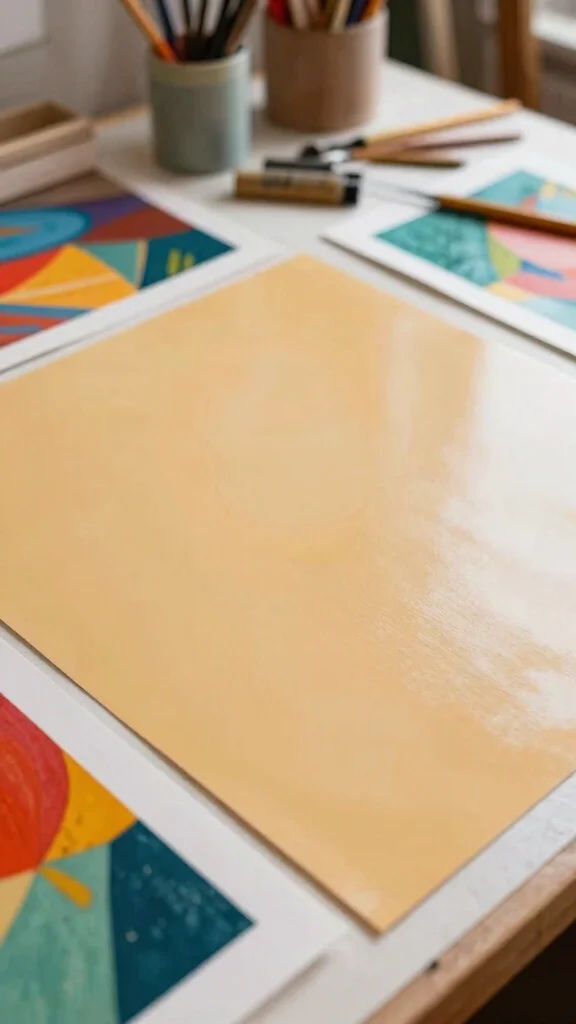
Eco-friendly synthetic paper represents a modern solution for those prioritizing durability and sustainability. This innovative option is waterproof and tear-resistant, making it ideal for artwork displayed in high-traffic areas or places exposed to moisture. Its bright, smooth surface allows for vivid prints that are both eye-catching and resilient.
To achieve the best results, consider using high-quality inks that enhance the vibrant colors of your prints. This paper type is increasingly available at eco-conscious retailers, making it a practical choice for environmentally-minded decorators.
Utilize these tips for working with synthetic paper:
– Choose bold colors to maximize visual impact.
– Frame with protective glass to preserve the finish.
– Incorporate creative designs that reflect your personal style.
This innovative choice not only elevates your wall art but also showcases your commitment to sustainability, giving your decor a fresh, modern twist.
Eco-Friendly Synthetic Paper: New Age Innovation
Editor’s Choice

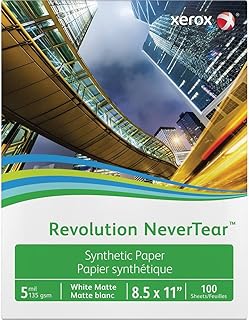
Xerox Revolution Laser Print Synthetic Paper, White
Conclusion: Choose Wisely for Stunning Home Decor
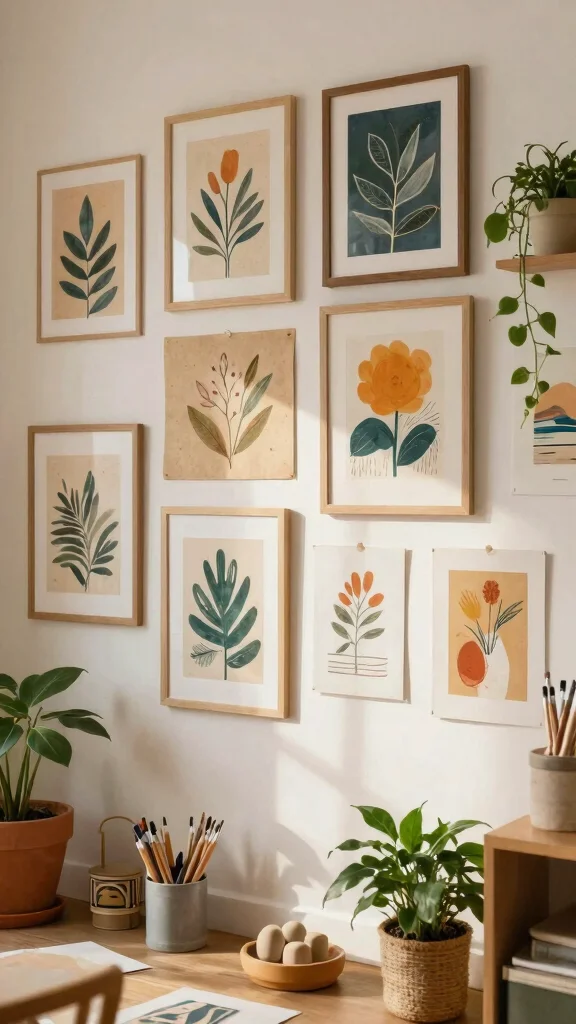
Choosing the best paper for printing wall art is crucial for achieving the desired look and durability of your pieces. Opting for eco-friendly options not only supports sustainable practices but also enhances the aesthetic quality of your decor. Whether you prefer the textured charm of watercolor paper or the sleek finish of synthetic paper, there are endless possibilities to explore. Embrace creativity while being mindful of the environment, and let your wall art reflect your style and values.
Experiment with different printing materials and techniques to find what speaks to you and your home.
Note: We aim to provide accurate product links, but some may occasionally expire or become unavailable. If this happens, please search directly on Amazon for the product or a suitable alternative.
This post contains Amazon affiliate links, meaning we may earn a small commission if you purchase through our links, at no extra cost to you.
Frequently Asked Questions
What is the best paper for printing wall art and how do I choose among the 10 options?
Choosing the best paper for printing wall art depends on your artwork, the look you want, and how long you want it to last. Start with these priorities: color accuracy, texture, and eco-friendliness. For color fidelity, pick a bright, smooth stock that handles pigment inks well. If you want a tactile, painterly feel, consider cotton rag or textured recycled papers. For sustainability, favor eco-friendly paper options like FSC-certified or post-consumer recycled stocks. Finally, align finish and weight with your framing plan. In practice, compare paper types by brightness, texture, weight (gsm), archival rating, and environmental credentials to choose the best paper for printing wall art from the 10 options.
Which eco-friendly paper options are best for wall art prints?
Great question. For eco-friendly wall art, look at these contenders: 100% cotton rag papers for archival quality and smooth color, often acid-free; recycled papers made from post-consumer fibers; FSC-certified wood-pulp options with refined textures; bamboo or sugarcane bagasse papers offering unique textures with lower environmental impact. Check for low optical brighteners to keep colors true, and pair with inks that maximize longevity. When selecting, look for certifications in eco-friendly paper options and balance whiteness with texture to suit your art.
How do different printing paper types affect color and texture in wall art?
Paper type directly influences color gamut, contrast, and texture. Matte papers reduce glare and deliver softer blacks, great for line art and paintings; luster or satin finishes give richer color depth and a gentle sheen, ideal for photography prints; textured cotton rag or watercolor-style papers add depth and character but may shift color slightly due to ink absorption. For eco-friendly options, you can still get vibrant results by choosing a stock with good ink holdout and appropriate brightness. Always test with your printer and inks to see how pigment vs dye inks render on each stock.
What weight and finish should I use for durable, gallery-quality wall art?
Most wall art prints sit comfortably in the 200–300 gsm range. Lighter options can work for casual pieces, but 300 gsm gives stiffness for mounting or light framing. Finish choices: matte for a modern, glare-free look and true blacks; satin or soft gloss for more color pop without heavy reflections; textured cotton rag for a fine art feel. For longevity, choose archival or acid-free papers, and verify UV resistance or coatings if your art will be near windows. If you’re printing multiple sizes, consistency in weight and finish across runs is key.
What practical steps can I take to test paper quality before making a large wall print?
Start with a few paper swatches and a small test print to compare color, brightness, and texture under your room lighting. Use a color-managed workflow and calibrate your monitor; print a color profile and check results on each stock. Compare how the inks sit on the paper—some absorb more and soften colors, others stay crisper. Hold the test sheets up against your source art and in natural light to judge whites and texture. Finally, confirm compatibility with your printer and framing plan. This helps ensure you pick the best paper for printing wall art and avoid surprises when you scale up.
Related Topics
home decor
eco-friendly printing
art print techniques
high-quality paper
best paper for art prints
wall art materials
sustainable decor
beginner guide
printable art
digital prints
affordable wall art
creative printing options