
Styling a small living room wall can be a daunting task. You want to make the space feel inviting and stylish, yet overcrowding it with decor can lead to feelings of confinement and chaos. With the right approach, you can transform your wall into a stunning focal point without sacrificing space. In this guide, you will learn how to effectively style a small living room wall, ensuring it feels open and airy. You’ll discover techniques to choose the right decor, arrange it strategically, and add personality without overwhelming your space.
Skill Level: beginner
Time Estimate: 1-2 hours
By the end of this guide, you will have a beautifully styled wall that enhances your living room while keeping it functional.
TL;DR Summary
- Choose a cohesive color palette to unify decor.
- Opt for multi-functional furniture to save space.
- Use vertical space wisely with shelves and hooks.
- Incorporate mirrors to create an illusion of depth.
Recommended Products

Versatile Sizes for Display: Vittanly 15-Pack Multi-Size Picture Frame Set includes 3x 8x10", 6x 5x7", and 6x 4x6" frames. Perfect for showcasing family photos, artwork in living rooms, bedrooms, and offices

Capture Your Memories: From the faces of your loved ones to great times with friends and family get-togethers, this collage photo frame lets you display an array of wonderful moments. It features 12 frames, each perfectly sized for 4x6 photos

Powerful 4800mAh Rechargeable Battery: Say goodbye to battery swaps and messy cords! Built-in 4800mAh battery offers 11 hours of continuous lighting use. EZVALO 16'' wireless LED picture light charges in just 5 hours via USB-C. Use your power bank, phone charger, or laptop – always ready to light up your favorite art.
TL;DR Summary
Editor’s Choice

WOPITUES Wood Floating Shelves Set of 6, Shelves for Wall Decor, Farmhou…


Delma Wall Full Length Mirror,Standing Mirror Full Body,Large Floor for …

COMAX Futon Sofa Bed, 4‑in‑1 Convertible Sofa Bed, Folding Boneless …
Prerequisites/Materials Needed
- Decor items: 3-5 frames, 1-2 wall art pieces, decorative plants
- Tools: Hammer, nails, level, measuring tape
- Furniture: A console table or wall-mounted shelves if desired
Recommended Products

Material: Medium Density Fiberboard (MDF)

𝐌𝐨𝐝𝐞𝐫𝐧 & 𝐕𝐞𝐫𝐬𝐚𝐭𝐢𝐥𝐞 𝐒𝐭𝐲𝐥𝐞: The 𝐡𝐢𝐝𝐝𝐞𝐧 𝐛𝐫𝐚𝐜𝐤𝐞𝐭 𝐝𝐞𝐬𝐢𝐠𝐧 𝐠𝐢𝐯𝐞𝐬 𝐚 𝐜𝐥𝐞𝐚𝐧, 𝐟𝐥𝐨𝐚𝐭𝐢𝐧𝐠 𝐥𝐨𝐨𝐤 that works beautifully as home decor wall shelves in modern, farmhouse, rustic, or industrial decor styles. 𝐀𝐝𝐝𝐬 𝐰𝐚𝐫𝐦𝐭𝐡 𝐚𝐧𝐝 𝐬𝐭𝐲𝐥𝐞 without overwhelming your space — 𝐩𝐞𝐫𝐟𝐞𝐜𝐭 𝐟𝐨𝐫 𝐛𝐞𝐝𝐫𝐨𝐨𝐦 𝐝𝐞𝐜𝐨𝐫𝐚𝐭𝐢𝐨𝐧𝐬, 𝐟𝐚𝐫𝐦𝐡𝐨𝐮𝐬𝐞 𝐥𝐢𝐯𝐢𝐧𝐠 𝐫𝐨𝐨𝐦 𝐝𝐞𝐜𝐨𝐫, 𝐨𝐟𝐟𝐢𝐜𝐞 𝐰𝐚𝐥𝐥 𝐝𝐞𝐜𝐨𝐫, 𝐧𝐮𝐫𝐬𝐞𝐫𝐲, 𝐞𝐧𝐭𝐫𝐲𝐰𝐚𝐲, 𝐤𝐢𝐭𝐜𝐡𝐞𝐧, 𝐚𝐧𝐝 𝐦𝐨𝐫𝐞

𝐌𝐨𝐝𝐞𝐫𝐧 & 𝐌𝐢𝐧𝐢𝐦𝐚𝐥𝐢𝐬𝐭 𝐒𝐭𝐲𝐥𝐞 - Featuring clean lines and a warm walnut-like finish, these small floating shelves bring mid-century modern and natural wood charm to any space. Perfect as shelves for room decoration, book shelves display, and rustic wood wall decor — they elevate your bathroom wall art vibe, bedroom aesthetic, living room style, kitchen organization, office setup, and laundry room storage all in one versatile design
Prerequisites/Materials Needed
Editor’s Choice

upsimples 19 Pack Picture Frames Collage Wall Decor for Mounting or Tabl…

Yoratee 6pcs Artificial Pot Flowers Small Fake Plants with Pot Mini Pott…
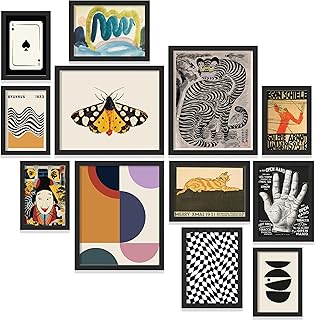
97 Decor Vintage Eclectic Wall Art Collage – Abstract Modern Art Prints …
Skill Level & Time Estimate
Skill Level: beginner
Total time estimate: 1-2 hours.
Breakdown:
– Planning and gathering materials: 30 minutes
– Arranging decor: 30-60 minutes
– Final touches: 15-30 minutes
Recommended Products

Wall mirror has a classic arch shape with a shatterproof design. It can be hung on the wall or stand on the floor and is suitable for a variety of home styles such as modern classical boho. Product size is 56'' x 15''.

[Clear and Reflective]: Please Peel Off the transparent protective film on the front mirror side and you will get a clear reflection

Full Size: Our OLIXIS large mirror full length is 64" in length and 21" in width, which is large enough to give you a view of your entire figure and ensure that you go out every day in perfect condition
Skill Level & Time Estimate
Editor’s Choice

Landscape Canvas Wall Art,Motivational Wall Art Decoration Painting .S…

2 Pack Stainless Steel Shelf 12″x48″ 320LB, Commercial Wall Mounted Meta…
upsimples 19 Pack Picture Frames Collage Wall Decor for Mounting or Tabl…
Step 1: Assess Your Space
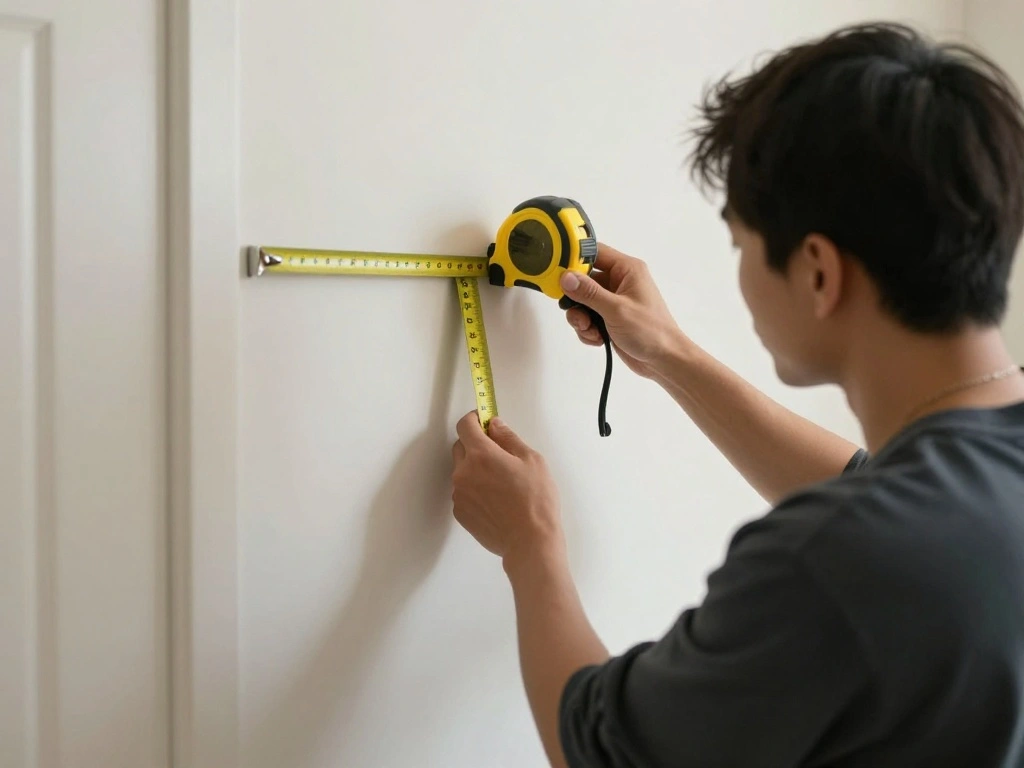
Begin by assessing your small living room wall. Take measurements to understand the space you have to work with. Why this matters: Knowing the dimensions helps you choose decor that fits well without overcrowding.
Follow these sub-steps:
1. Measure the width and height of the wall.
2. Note any existing furniture or fixtures that might affect placement.
3. Take note of the overall color scheme of your living room.
Pro Tip: Use painter’s tape to visualize where different decor pieces will go on the wall.
Time estimate: 15-20 minutes.
Recommended Products

MULTIPLE FRAMES COLLAGE: Bulk of 5 pieces Picture Frames set in the same Sizes. Perfect for Pictures 5x7 with Mat or 8x10 Without Mat. The frame opening display size will be 0.5 in smaller than the photo to hold the photo in place

Quality Material & Real Glass: YESKAY 5x7 collage picture frames are made of durable wood, with high-definition tempered glass, handmade simple, and practical, to protect your photos from dust, moisture, and scratches years and years

MULTIPLE FRAMES COLLAGE: Bulk of 5 pieces picture frames set in the same sizes. Perfect for pictures 8x10 with mat or 11x14 without mat. The frame opening display size will be 0.5 in smaller than the photo to hold the photo in place
Step 1: Assess Your Space
Editor’s Choice
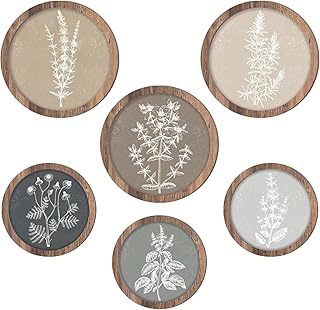
Threehoney 6 Pcs Framed Botanical Wall Art Set Floral Wall Art Vintage B…

Beautiful Storage Basket Set of 4 – Natural Jute Rope Baskets for Shelve…

BAYKA Floating Shelves for Wall, Wall Mounted Rustic Wood Shelves for Ba…
Step 2: Choose a Color Palette
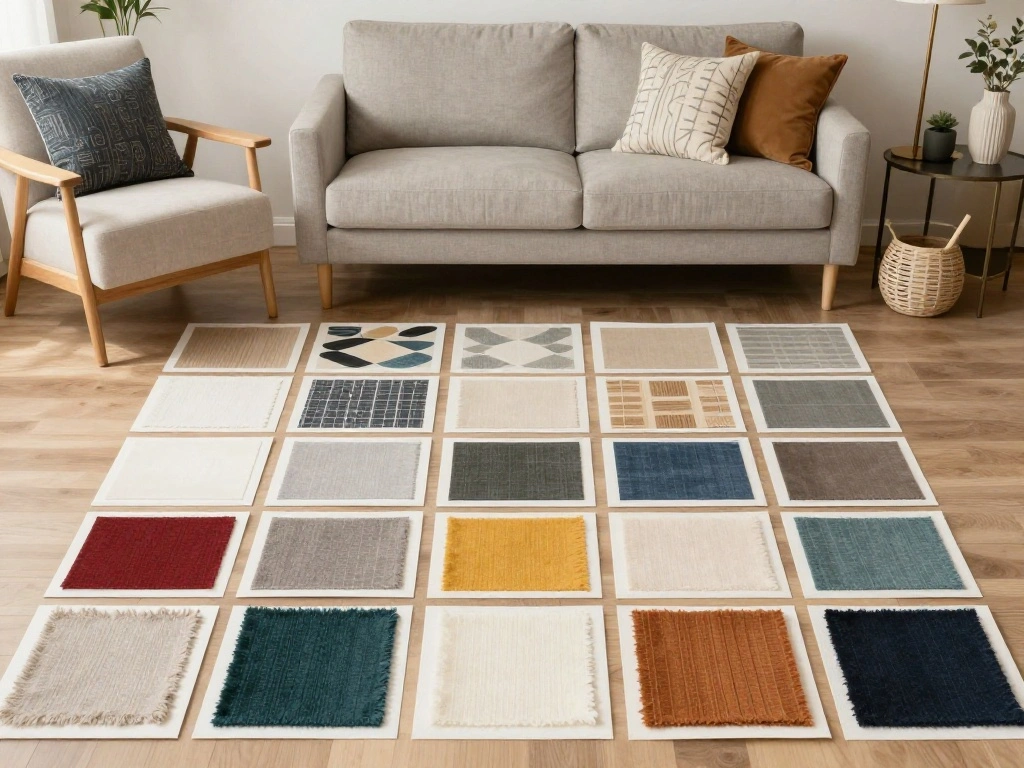
Decide on a cohesive color palette that complements your living room. A harmonious color scheme can help unify the decor and make the wall look well-designed. Why this matters: A consistent color palette prevents visual clutter.
Follow these sub-steps:
1. Look at your existing furniture and wall color.
2. Choose 2-3 main colors and 1-2 accent colors.
3. Ensure your selected decor items reflect this palette.
Pro Tip: Use color swatches or apps to visualize how colors will work together.
Time estimate: 20-30 minutes.
Recommended Products

High-Quality Materials :12x16 Inch Unframed set of 3. High-definition printing on 300gsm thick natural canvas are used to ensure the delicate texture, vibrant colors,clear details and realistic visual effects. Our high quality canvas are specially treated with waterproof and UV-resistant to increase the durability and anti–fading of the paintings.

High definition giclee modern grace canvas printing artwork, picture photo printed on high quality canvas. A perfect Christmas and New Year gifts for your relatives and friends.

【Canvas Wall Art Size】: This artwork wall decor measures approx 20" H x 40" W.(50cm*100cm) For the best look, please measure your wall space before buying to make sure this size is just right for your decorating expectations.
Step 3: Select Decor Items
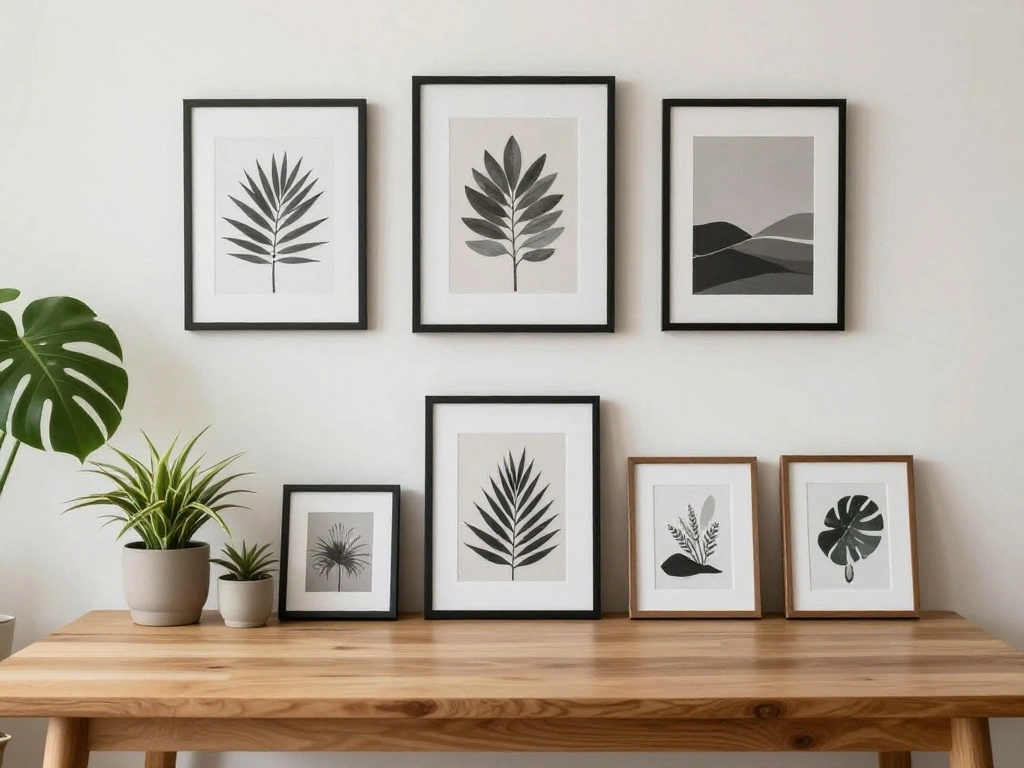
Gather decor items that fit your chosen color palette and reflect your personal style. Aim for a mix of textures and shapes for added interest. Why this matters: A variety of items can create a visually appealing display without feeling crowded.
Follow these sub-steps:
1. Choose 2-3 larger pieces (like wall art or a mirror).
2. Select 3-5 smaller items (like frames or decorative objects).
3. Consider plants for a touch of nature.
Pro Tip: Look for items that serve a dual purpose, like a decorative shelf that can hold books or plants.
Time estimate: 30 minutes.
Recommended Products

【Strong Magnetic Attraction for Pictures and Battery Operated】The Yarnock wall-mounted picture light features a strong magnetic attachment system, allowing you to effortlessly remove it from or attach it to the wall without the need for any tools. It operates on 3 AA batteries (not included with the product) and is ready for use as soon as you insert new batteries. The light can run for 30 to 60 hours (with the recommendation to use high-quality AA batteries for optimal performance).

Muted Vintage Coastal Cotton Grass Wildflower Landscape Design This antique landscape wall art depicts vast marshland covered with soft white cotton grass wildflowers, paired with distant coastal sea, low cottages and sailing boats, presenting quiet muted neutral vintage scenery. Gentle earthy tone palette and classic oil painting brush strokes create calm, timeless countryside coastal aesthetic. The white floral marsh scenery perfectly matches traditional vintage, grandmillennial, neutral farmhouse and dark academia interior styles, bringing peaceful old-world charm to empty walls

Order according to your own requirements, available in two styles, framed or unframed
Step 3: Select Decor Items
Editor’s Choice

Artisan Set of 4 Silver Beveled Wall Decor Mirrors – 24×8 Inch Each, Cre…

3D Wooden Floral Bathroom Wall Decor (Set of 4) Lightweight, Ready-to-Ha…
Step 4: Create a Focal Point
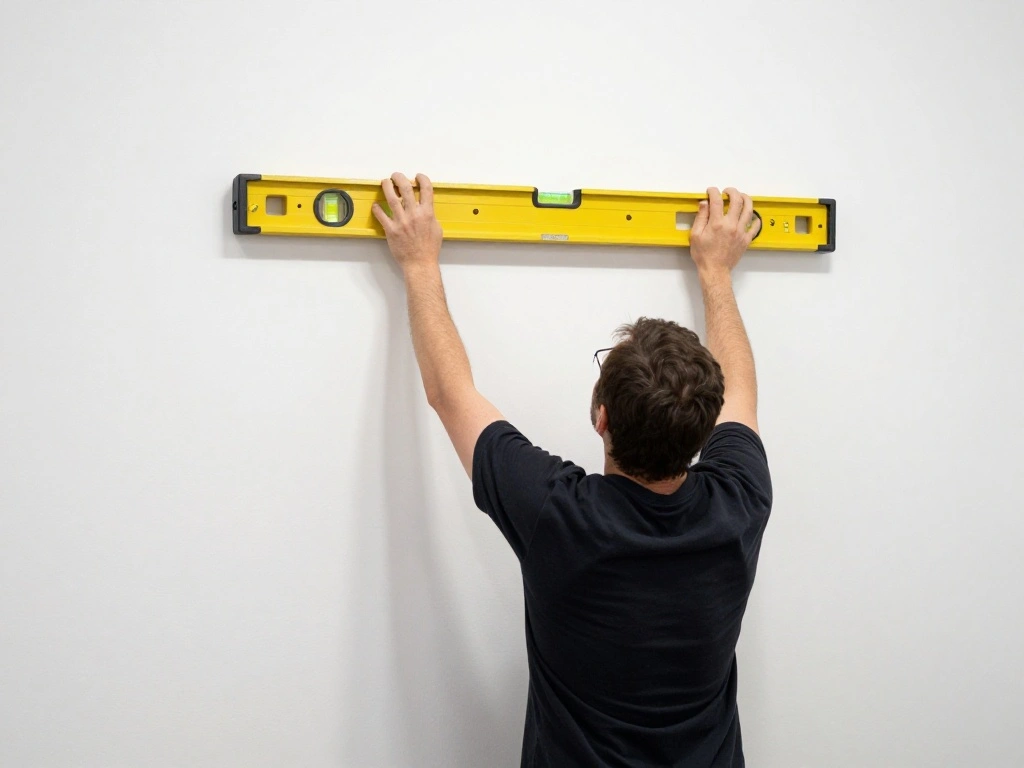
Decide on a focal point for your wall to draw the eye and create balance. This could be a large piece of art or a striking mirror. Why this matters: A focal point anchors the design and provides a sense of structure.
Follow these sub-steps:
1. Choose your focal piece based on size and color.
2. Hang it at eye level for maximum impact.
3. Ensure it complements the surrounding decor.
Pro Tip: Use a level to ensure your focal piece hangs straight and looks professional.
Time estimate: 20 minutes.
Recommended Products

Floating Shelves for Wall Storage Set of 6 - The size of the WOPITUES floating shelves for wall is 16.5*6*0.6 inches. WOPITUES Floating Wall Shelves for Bathroom/Bedroom Set of 6 could give you extra storage space in the bathroom, bedroom, guest bathroom, kitchen, and living room. You can install our floating shelves for wall anywhere you like. Let’s make life simpler.
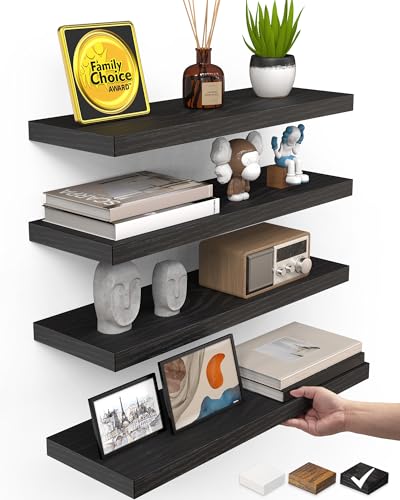
𝐑𝐨𝐜𝐤-𝐒𝐨𝐥𝐢𝐝 𝐒𝐮𝐩𝐩𝐨𝐫𝐭 𝐰𝐢𝐭𝐡 𝐄𝐧𝐡𝐚𝐧𝐜𝐞𝐝 𝐋𝐨𝐚𝐝 𝐃𝐢𝐬𝐭𝐫𝐢𝐛𝐮𝐭𝐢𝐨𝐧 - Engineered with reinforced steel brackets, these shelves offer rock-solid, sag-free support for your everyday items. The 4-pack allows for 𝐨𝐩𝐭𝐢𝐦𝐚𝐥 𝐰𝐞𝐢𝐠𝐡𝐭 𝐝𝐢𝐬𝐭𝐫𝐢𝐛𝐮𝐭𝐢𝐨𝐧 𝐚𝐜𝐫𝐨𝐬𝐬 𝐚 𝐰𝐢𝐝𝐞𝐫 𝐰𝐚𝐥𝐥 𝐚𝐫𝐞𝐚, safely holding up to 22 lbs per shelf while keeping displays perfectly level

[Small Floating Shelves] - Set of 4 small wall shelves with 2 types of installation: up or down, each small shelf size is 5"L x 5"D x 1.57"H.
Step 4: Create a Focal Point
Editor’s Choice
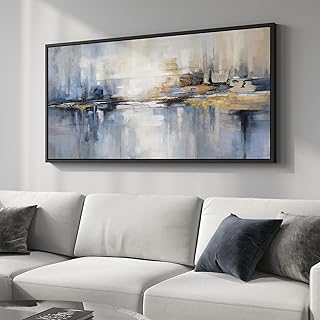
Framed Extra Large Blue Abstract Wall Art for Living Room, Modern Canvas…

Roowest 2 Pcs Decorative Mirror Wall Decor Leaf Teardrop Mirror Wall Mou…
Step 5: Arrange Smaller Decor Items
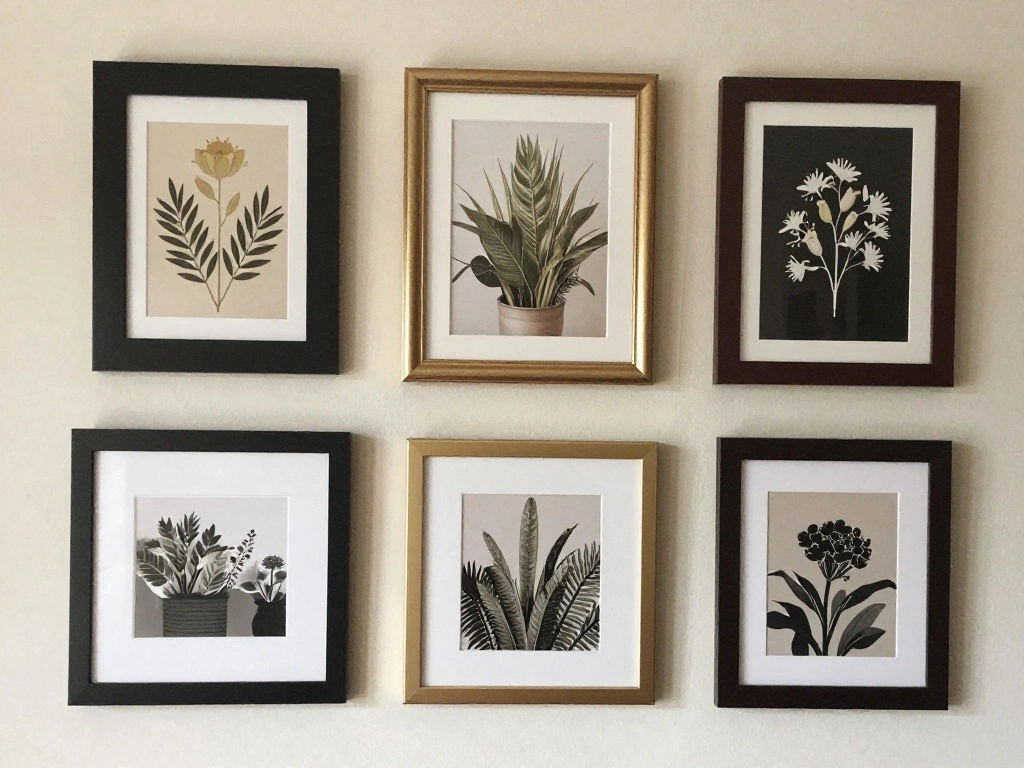
Once your focal point is in place, arrange your smaller decor items around it for balance. Layering items creates depth without overcrowding. Why this matters: Proper arrangement enhances the visual appeal of the wall.
Follow these sub-steps:
1. Start with the larger items first, placing them near the focal point.
2. Fill in with smaller items, balancing shapes and heights.
3. Step back frequently to assess the overall look.
Pro Tip: Group items in odd numbers for a more dynamic arrangement.
Time estimate: 30 minutes.
Recommended Products

This standing mirror measures 56x20 inches. Suitable for bathrooms, bedroom, living room, behind the door, which can be mounted on wall,free standing. This full length mirror is a must-have for home improvement.

Elegant Arched Design - 58"x19" full-length mirror with sophisticated curved top adds modern style to any room while providing complete head-to-toe reflection for daily use

Full Length Viewing and Stable Standing: The 56 x 15 inch mirror provides a clear full body view and can stand securely on the floor or lean against the wall for everyday outfit checks.
Step 5: Arrange Smaller Decor Items
Editor’s Choice

Bathroom Mirror for Wall, 24 Inch Round Mirror, Matte Gold Metal Framed …

Floating Shelves Shelves on Wall Set of 3, 2-Tier Hanging Wall Mounted S…

Yaetm 20×24 Black Picture Frame with Mat for 16×20 Set of 4, Solid Wood …
Step 6: Incorporate Vertical Space

Utilize vertical space to draw the eye upward and create an illusion of height. Tall shelves or hanging plants can enhance the room’s dimensions. Why this matters: Vertical elements can make a small room feel more spacious.
Follow these sub-steps:
1. Install floating shelves above your decor for added storage.
2. Hang plants or artwork higher up on the wall.
3. Ensure items are securely attached to avoid accidents.
Pro Tip: Use brackets for shelves that match your decor style for a cohesive look.
Time estimate: 30 minutes.
Recommended Products

【Durable Material】Our collage frame is made of well made wood frame. Comes with a plastic cover, which provides a clear view of photos and is lighter than glass. No need to worry about hurt by glass broken.

DISPLAY 12 CHERISHED MEMORIES AT ONCE: This photo collage frame holds six 6x4 inch and six 4x6 inch photos in a single elegant display - ideal for showcasing weddings, graduations, milestone birthdays, or everyday family moments

Sturdy 4x6 Picture Frames: Designed to display your treasured memories and favourite photos. With durable HD plastic plexiglass, these picture frames are lightweight and shatter-resistant. This safer alternative to glass protects the frames from dust, moisture, and accidental damage while maintaining crystal-clear visibility.
Step 6: Incorporate Vertical Space
Editor’s Choice
BAYKA Floating Shelves for Wall, Wall Mounted Rustic Wood Shelves for Ba…

Mkono Macrame Plant Hanger Indoor Hanging Planter Basket with Wood Beads…

VIYYIEA Vintage Gold Framed Wall Art, Sketch Birds Canvas Painting, Cute…
Step 7: Add Lighting
Incorporate lighting to highlight your decor and create ambiance. Wall sconces or picture lights can enhance the visual interest of your styled wall. Why this matters: Good lighting makes a space feel warm and inviting.
Follow these sub-steps:
1. Choose lighting that complements your decor style.
2. Install fixtures to illuminate the focal point and other decor items.
3. Use dimmers for adjustable lighting levels.
Pro Tip: Consider LED strip lighting on shelves for a modern touch.
Time estimate: 30 minutes.
Recommended Products

【Vintage Framed Wall Art Decor】This framed Vintage Framed Wall Art features a playful “Couch Club” ticket-style typography design, blending retro aesthetics with minimalist modern appeal. The nostalgic muted green background and distressed print effect create a cozy, lived-in vibe, making it a stylish Canvas Wall Decor Painting for casual, laid-back home interiors and personality-filled wall spaces.

Eclectic Decor: Elevate your living space with gallery wall art set, a perfect blend of retro wall art prints and modern abstract wall art. It is designed for those who cherish uniqueness in their home, featuring an array of pieces with fun wall art
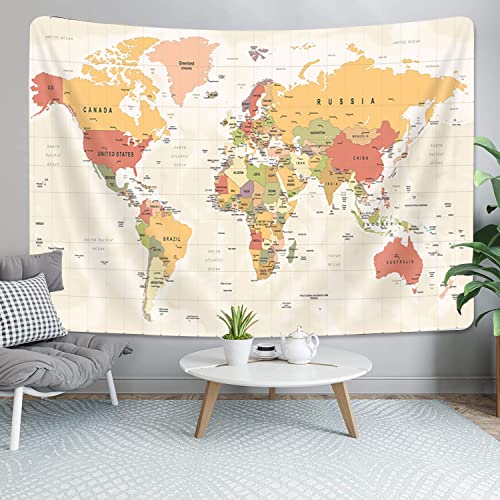
3D Printing - The Travel Map Tapestry is made of polyester fabric, which durable enough to be home decor for wall art. This hanging tapestry comes with vivid colors bring happy feel with you and your family.
Step 7: Add Lighting
Editor’s Choice

Aipsun Black Modern LED Wall Sconce Indoor Wall Lights 1 Pack Hardwired …

Lutron Diva LED+ Dimmer Light Switch for Dimmable LED, 150 Watt, Single-…
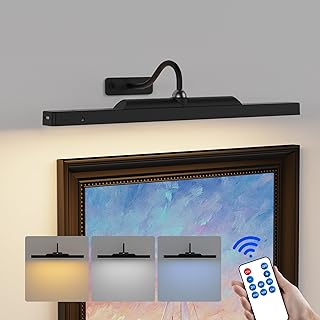
Dimmable Cordless Picture Light for Wall 16n, 5000mAh Rechargeable Batte…
Step 8: Consider Textures
Incorporate different textures to add depth and interest to your wall. This might include fabric wall hangings, wooden frames, or metallic accents. Why this matters: Textural diversity can enhance the overall aesthetic without overcrowding the space.
Follow these sub-steps:
1. Identify areas where you can add texture without cluttering.
2. Choose materials that complement your color palette.
3. Layer textures for a rich visual experience.
Pro Tip: Use textiles like woven baskets or fabric art for soft texture.
Time estimate: 20 minutes.
Step 8: Consider Textures
Editor’s Choice

Damanse Floral Tapestry Wall Hanging Cute,Boho Wall Tapestry for Bedroom…

Kewhush Abstract Metal Wall Art, Modern Art Decor, Unique Metal Wall Dec…

4×6 Picture Frames Set of 8, Vintage Rustic Farmhouse Industrial Style P…
Step 9: Personal Touches
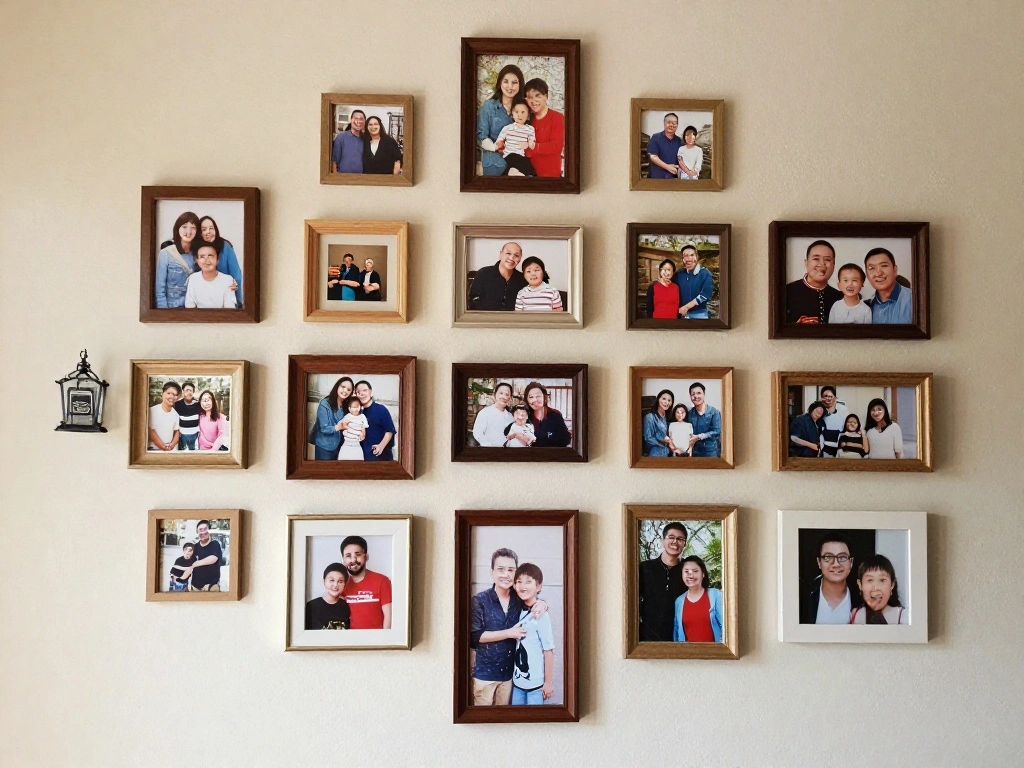
Add personal touches that reflect your style and story. This could be family photos, travel souvenirs, or unique art pieces. Why this matters: Personalization makes the space feel like home.
Follow these sub-steps:
1. Select items that have personal significance.
2. Arrange them thoughtfully to avoid clutter.
3. Mix frames and styles for an eclectic yet curated look.
Pro Tip: Use matching frames to unify diverse items.
Time estimate: 30 minutes.
Step 9: Personal Touches
Editor’s Choice

HOOBRO Floating Shelves, 15 Inch Wall Shelf Set of 2, Wall Mounted Stora…

Hoikwo 18 Packs 8×8 Black Plastic Multi Picture Frames Set with Plastic …
97 Decor Vintage Eclectic Wall Art Collage – Abstract Modern Art Prints …
Step 10: Finalize and Adjust
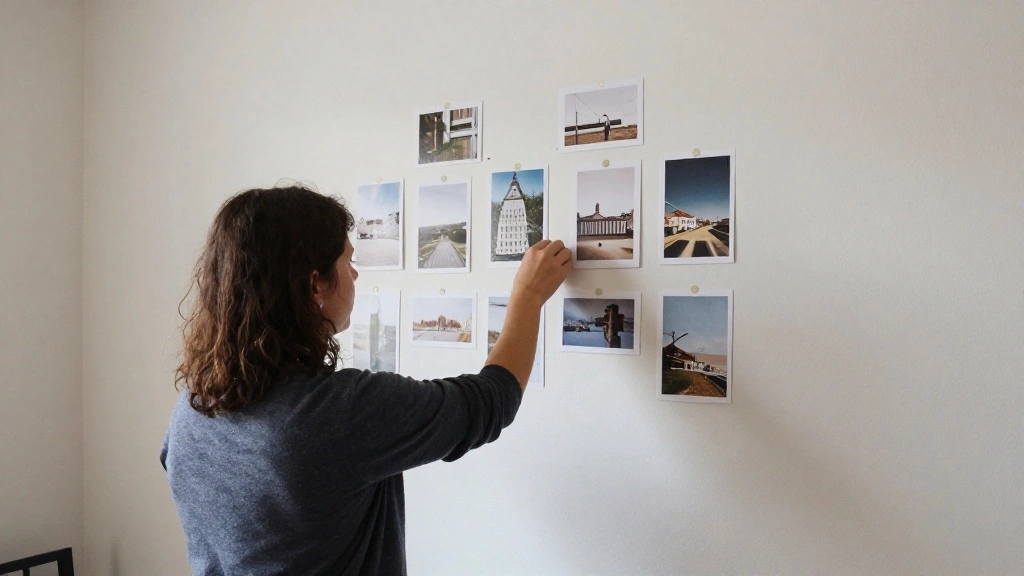
Take a step back to assess your work and make any necessary adjustments. Look for balance, harmony, and overall flow. Why this matters: Final adjustments ensure your wall feels cohesive and well-designed.
Follow these sub-steps:
1. Walk around the room to see the wall from different angles.
2. Adjust the positioning of items as needed for balance.
3. Ensure there’s enough space for movement in the room.
Pro Tip: Ask a friend for a second opinion on the arrangement.
Time estimate: 20 minutes.
Step 10: Finalize and Adjust
Editor’s Choice

QsQueen Scalloped Wood Wall Shelf – 17 Inch Floating Shelf with Wood B…

Cloud Paper Holder, Space-Saving Cute Decor 4-13 Rolls Toilet Paper Hold…

PHOTOMYNE Sturdy Flexible Phone Holder for Desk, Table, Office, Kitchen …
Pro Tips
- Layering is Key: Use layers of decor to create depth.
- Go Minimal: Less is often more; choose quality over quantity.
- Rotate Decor Seasonally: Change items with seasons to keep the space fresh.
- Use Command Hooks: For temporary decor changes without damaging walls.
- Plan Before Hanging: Lay items on the floor first to visualize placement.
Pro Tips
Editor’s Choice

Command Large Utility Hooks, 7-Hooks, 12-Strips, Organize Damage-Free

Photect 3 Pcs Metal Wall Art Decor Minimalist Abstract Woman Wall Art Me…
WOPITUES Wood Floating Shelves Set of 6, Shelves for Wall Decor, Farmhou…
Common Mistakes to Avoid
Warning: Avoid overcrowding the wall with decor. It can make the space feel cluttered. Solution: Stick to a few key pieces and leave some space empty.
Warning: Hanging items too high or low can disrupt the flow. Solution: Aim for eye level (about 57-60 inches from the floor).
Warning: Ignoring scale can lead to imbalance. Solution: Consider the size of your wall when selecting pieces.
Common Mistakes to Avoid
Editor’s Choice

CHOEZON Floating Shelves, Set of 2 Wall Shelves, 2-Tier Hanging Shelves,…
VIYYIEA Vintage Gold Framed Wall Art, Sketch Birds Canvas Painting, Cute…

Chumia Large 3D Rainbow Wall Decor Kit 6 Color 19.7 x 118 Inch Fabric St…
Troubleshooting Section
Problem: Wall feels too busy. Solution: Remove 1-2 items to create breathing room.
Problem: Decor looks mismatched. Solution: Reassess the color palette and adjust items accordingly.
Problem: Items aren’t secured well. Solution: Use proper hanging hardware for heavier pieces.
Troubleshooting Section
Editor’s Choice

Peryiter 3 Pcs Modern Minimalist Wall Decor Abstract Metal Wall Art Meta…
Purple Flower Jewelry Dish Glass Ring Holder Dish Jewelry Tray Cute Vani…

KURUI 700PCs Small Nails for Hanging Pictures & 8oz Small Hammer for Wom…
Variations/Alternative Methods
Consider these alternatives: Gallery Wall: A collection of smaller frames can create a dynamic look. Open Shelving: Use shelves to display decor and books for a functional approach. Painted Accent Wall: A bold color or pattern can serve as the primary decor.
Variations/Alternative Methods
Editor’s Choice
THE ONE All-In-One Paint & Primer – Black Matte, 33.8 Fl Oz/1 Liter | 1 …

BAYKA Bathroom Floating Shelves for Wall Set of 3 – Rustic Brown Farmhou…

HappyHapi 4×6 Picture Frames Set of 10, Tabletop or Wall Display Picture…
FAQs
What if I don’t have a focal piece? Use a large mirror or create a gallery wall to draw focus.
How long should I wait before making changes? Give it a few weeks to see how the space feels before adjusting.
Is it safe to hang heavy items? Ensure you use wall anchors or stud finders for secure mounting.
FAQs
Editor’s Choice

KURUI Drywall Anchors and Screws Assortment Kit 270PCS, 135 Plastic Dry …

Large Decorative Mirror for Living Room, 53.5″ X 30″, Vintage Ornate Car…
upsimples 19 Pack Picture Frames Collage Wall Decor for Mounting or Tabl…
Conclusion
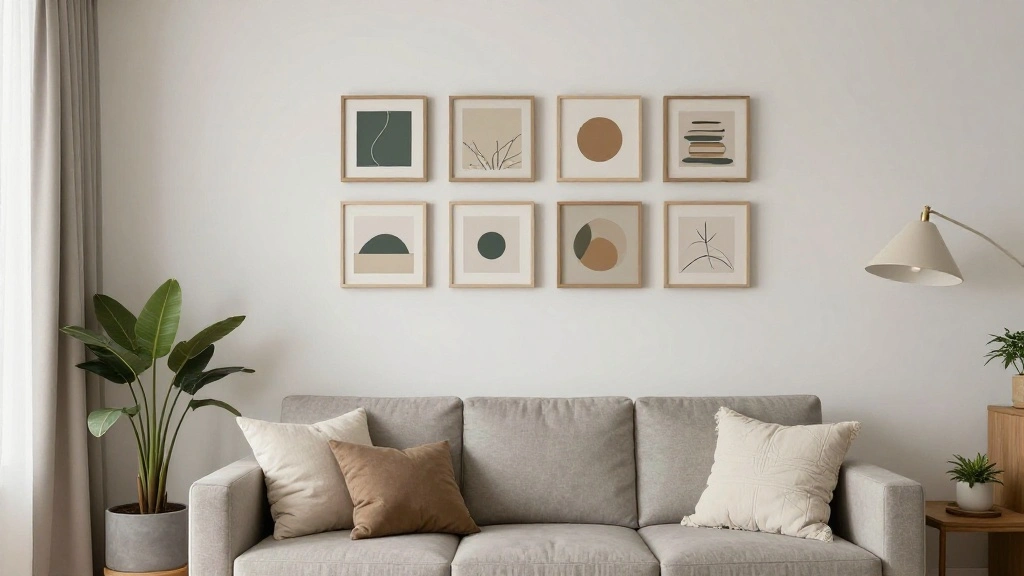
Congratulations! You’ve successfully styled your small living room wall without making it feel crowded. Enjoy your new space and the personal touches you’ve added. If you want to take it further, consider exploring new decor styles or seasonal changes to keep your space fresh and exciting. Remember, your living room is a reflection of you, so let it shine!