
Are your walls feeling bare and lifeless? A floor-to-ceiling art display can transform any room into a vibrant gallery, adding character and charm. Imagine walking into a space where art captivates and inspires, making a statement every time you enter. This guide will help you accomplish just that!
In this article, you will learn how to curate and arrange art pieces to create a stunning visual impact that stretches from floor to ceiling. Whether you prefer paintings, photographs, or mixed media, you’ll discover techniques to showcase your collection beautifully. By the end of this guide, you will have the skills to design a personalized art display that reflects your unique taste.
This project is suitable for beginners and will take approximately 3-4 hours to complete, depending on the size of your display. Get ready to elevate your home décor!
TL;DR Summary
- Gather materials and decide on the wall space for your art display.
- Choose a cohesive theme or color palette for your artwork.
- Arrange your art pieces on the floor first to visualize the layout.
- Install your artwork using the appropriate tools and techniques.
Recommended Products

Perfect Picture Hanging Kits: 310Pcs Accessories Including Wire, Hooks, Nails, etc. In A Hardware Box

EFFORTLESS ORGANIZATION: Our 303pcs Heavy Duty Picture Hanging Kit boasts an exceptional design with categorized compartments, saving you precious time that would otherwise be spent searching for the right hardware. Plus, when you're done using it, everything neatly tucks away, eliminating any post-project mess. Can replace picture hanging strips.
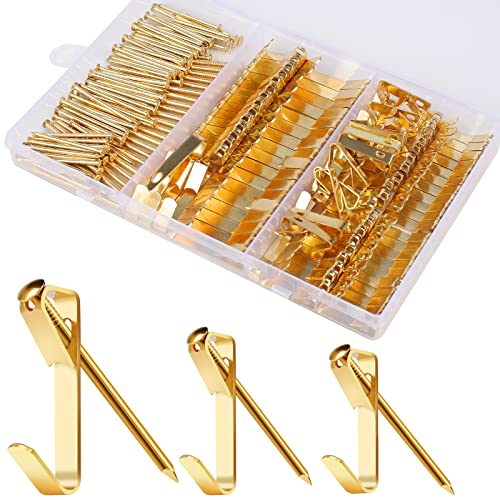
Great Assortment: You will receive 90 sets of picture hanging hardware, including 20 sets of 50LB hooks,50 sets of 30LB hooks, and 20 sets of 20LB hooks with 94 nails, With different 3 sizes of professional hanging kits very convenient.
TL;DR Summary
Editor’s Choice

KURUI 303Pcs Picture Hanging Kit, Picture Hangers Assorted Kit with Heav…

Prerequisites/Materials Needed
- Artworks: 5-10 pieces of varying sizes
- Hanging tools: Picture hooks, nails, or adhesive strips
- Measuring tape: 1 unit
- Pencil: 1 unit
- Level: 1 unit
- Gallery-style hanging system (optional): 1 unit
- Step ladder (if needed): 1 unit
Recommended Products

BEFORE YOU BUY: Easy Installation Picture Hanging Systems includes bullet hanger, 72-inch photo hanging wire, J-hook, sawtooth hook, anchor and mounting screw. It supports up to 25 lbs. Picture hanging system installs quickly with no special tools.
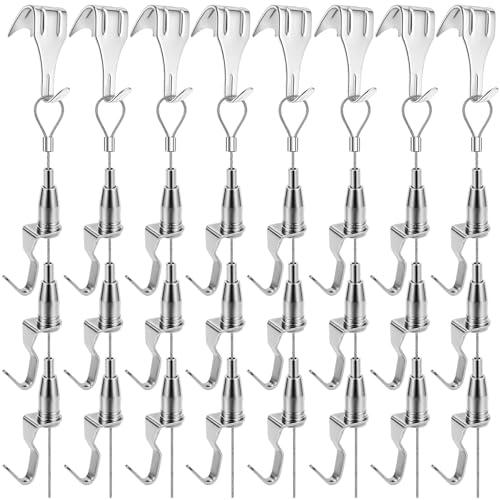
3-layer Hanging, Saving Space: 8 pcs wire kits and there are 3 hooks with each kit. 3 hooks can be used to hang up to 3 frames on a rope at the same time, saving space. If there are multiple pictures that need to be displayed, this would be suitable for hanging

VERSATILE DESIGN: Complete gallery wall hanging system with swivel cover for ceilings and sloped walls which includes a nylon cable that hangs straight down and supports up to 25 lbs for light to medium frames without a track.
Prerequisites/Materials Needed
Editor’s Choice

Art Display for Kids Artwork – 10ft Alloy Steel Wire with 48 Clips | Wil…

HBTower Step Ladder, Folding Step Stool with Wide Anti-Slip Pedal, Sturd…

Motovera Self Leveling Laser Level 100ft, Green Cross Line with Tripod, …
Skill Level & Time Estimate
Skill Level: beginner
Total time estimate: 3-4 hours
Breakdown of time:
- Gather materials: 30 minutes
- Plan layout: 1 hour
- Hanging artwork: 2 hours
Recommended Products

★ DUAL MODES & SELF-LEVELING ★ The cross line laser with slide switch enable you to set 2 modes, self-leveling mode and manual mode. When working in self-leveling mode, the range of leveling and compensation is 4°± 1°and the laser level will automatically level for horizontal/vertical/cross line, otherwise the laser will flash to indicate thr out-of-level condition. In manual mode, the self-leveling function is deactivated and the cross is locked to use the device at any angle.

Rechargeable Battery and 10-Hour Runtime: With its integrated 2200 mAh rechargeable battery, the Fanttik D2 laser level can work continuously for up to 10 hours on a single charge. The high-capacity battery can be recharged more than 500 times, which is very practical

【Post-sale reminder】: All users purchasing "weiddw" products enjoy a 12-month free warranty.
Skill Level & Time Estimate
Editor’s Choice

Torpedo Level Magnetic, Firecore 9 Inch Shockproof Small Leveler Tool wi…

Boswillon Floating Shelves Wall Mounted Set of 2, Modern Black Wall Shel…

Command 15 lb Large Picture Hanging Strips 14 Pairs (28 Strips), Damage-…
Step 1: Choose Your Wall Space
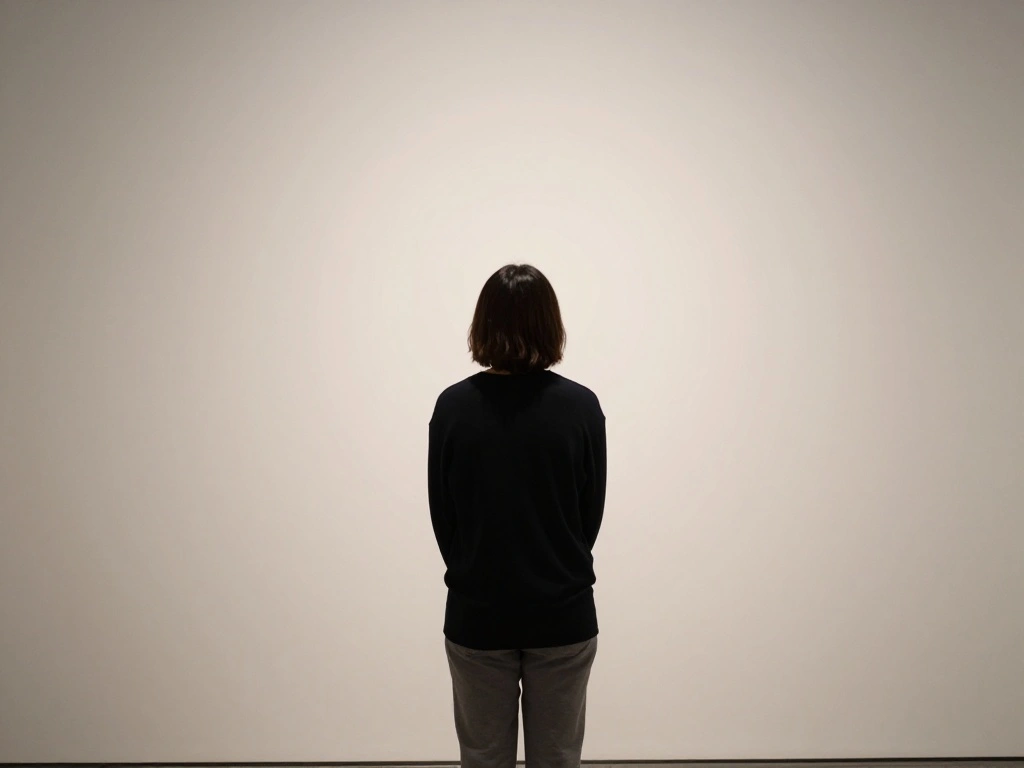
Decide which wall will showcase your art display. Consider the following:
- Choose a wall that is visible and prominent in the room.
- Ensure the wall has enough space for the art pieces you plan to use.
- Consider the lighting; natural light can enhance the display.
Pro Tip: Choose a wall without furniture blocking the view for maximum impact.
Why this matters: Selecting the right wall sets the stage for your art display and ensures it becomes a focal point in the room. This step should take about 15-20 minutes.
Recommended Products


VARIETY PACK OF PICTURE STRIPS: One package of the Command Picture Hanging Strips Variety Pack includes 12 Pairs of 10 lb and 16 Pairs of 15 lb White Command Picture Hanging Strips (56 Strips total).

INCLUDES – 4 Pairs of 15 lb White Bath Picture Hanging Strips (8 strips total); 4 Pairs hold 15 lbs. Maximum frame size of 24 inches x 36 inches
Step 1: Choose Your Wall Space
Editor’s Choice

EZVALO Picture Light for Wall, 4800mAh Rechargeable Wireless Remote Batt…

Command 20 lb XL 8 Pairs Heavyweight Picture Hanging Strips (16 Strips),…

upsimples 19 Pack Picture Frames Collage Wall Decor for Mounting or Tabl…
Step 2: Gather Your Art Pieces
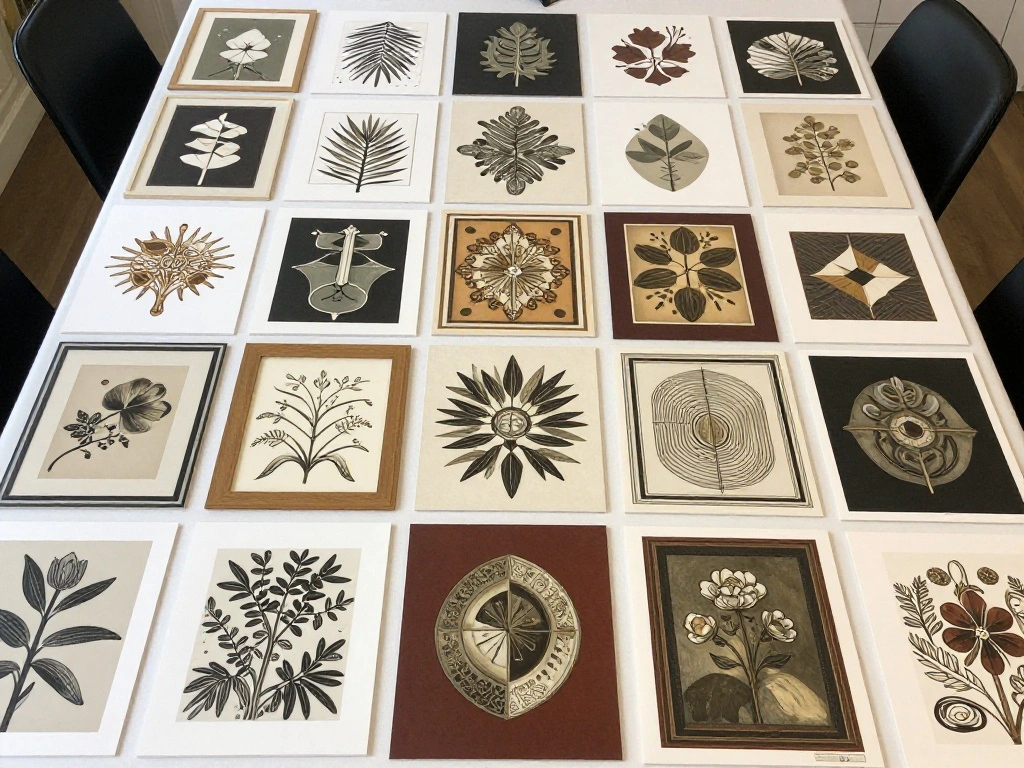
Collect all the artwork you want to display. Follow these steps:
- Choose a variety of pieces (paintings, photos, mixed media) that reflect your style.
- Ensure the sizes vary to create visual interest.
- Consider a cohesive theme or color palette for harmony.
Warning: Avoid using art pieces that clash or are too similar in size, as this can create a chaotic look.
Why this matters: Having a well-curated selection of art pieces makes your display more appealing and engaging. This step should take about 30-45 minutes.
Recommended Products

800lbs Sturdy Step Ladder: High quality 4-Step Ladder with the robust high-strength steel frame, which ensure outstanding stability and security, open dimensions: 18.12"L * 35.46"W * 52.21"H, folded dimensions: 18.12"L * 2.8"W * 52.09"H, max capacity testing: 800lbs
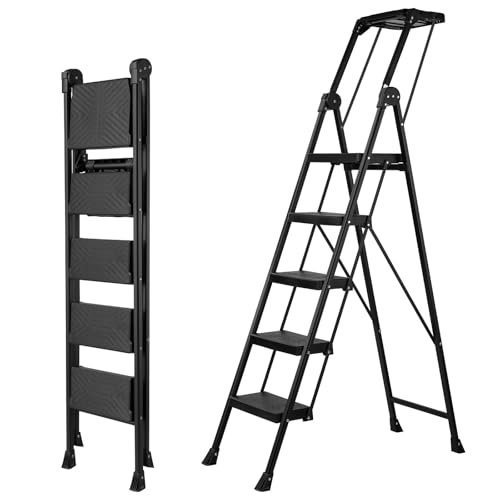
HANDRAIL AND TOOL TRAY IN ONE PIECE: Flip the handrail upward to effortlessly convert the 5 Step Ladder into a fully functional tool tray, combining convenience and stability in one easy motion. The ladder's uniquely designed foldable handrail is integrated with the no-installation tool tray, eliminating the need to climb back and forth on the ladder. It helps you solve the problem of reaching items easily and folds down to only 3.74 inches for easy storage and carrying

LADDER DIMENSIONS: Open size: 70.5" x 21" x 37.4", folded size: 74" x 21" x 9.25", net weight: 23pounds.Please refer to the instruction manual, no extra tool is needed, and easy assembly within 10 minutes!
Step 2: Gather Your Art Pieces
Editor’s Choice

upsimples 6 Pack Wooden Floating Shelves, Wall Storage Decor Shelf for B…

Vittanly 20 Pack Picture Frames Collage Wall Decor, Multi Sizes Includin…
KURUI 303Pcs Picture Hanging Kit, Picture Hangers Assorted Kit with Heav…
Step 3: Plan Layout on the Floor

Before hanging anything, visualize your layout on the floor:
- Arrange your art pieces on the floor in the order you want to hang them.
- Step back to see how the arrangement looks from a distance.
- Make adjustments until you’re satisfied with the layout.
Pro Tip: Use a camera to take a photo of the layout for reference when hanging.
Why this matters: Planning your layout helps avoid mistakes and ensures a balanced and visually appealing display. This step should take about 30-60 minutes.
Recommended Products

Wide Assortment: 220-piece picture hanging kit includes 24 sets of 10lb picture hangers, 14 sets of 30lb picture hangers, 4 sets of 50lb picture hangers, 3 sets of 100lb picture hangers, 2 sets of 80lb, and 2 sets of 120lb picture hangers, 8 sets of D-rings, steel wire, screw eye hooks, and sawtooth hangers
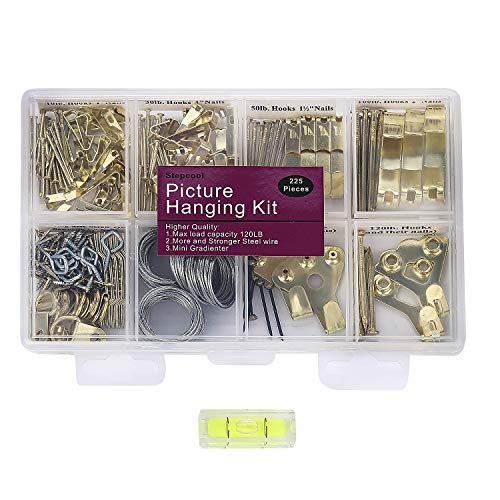
【More Heavy Duty Hangers】:Our picture hangers kit contains more large load capacity hooks than others: Besides 50lb., 100lb., we have 80lb. and 120lb.,they are stronger, you can even use just 2 hangers for heavy items

【Great Assortment】: You will get 50 sets of picture hangers, including 30/ 50 /100 lbshooks with nails which can meet your different needs from small pictures to heavier paintings.
Step 3: Plan Layout on the Floor
Editor’s Choice

CAMBOFOTO 74″ Aluminum Camera Tripod – Heavy‐Duty Professional Tri…

Artist’s Loft Level 2 Gallery Wrapped Traditional Canvas

Digital Caliper, Sangabery 0-6 inches Caliper with Large LCD Screen, Aut…
Step 4: Measure and Mark the Wall
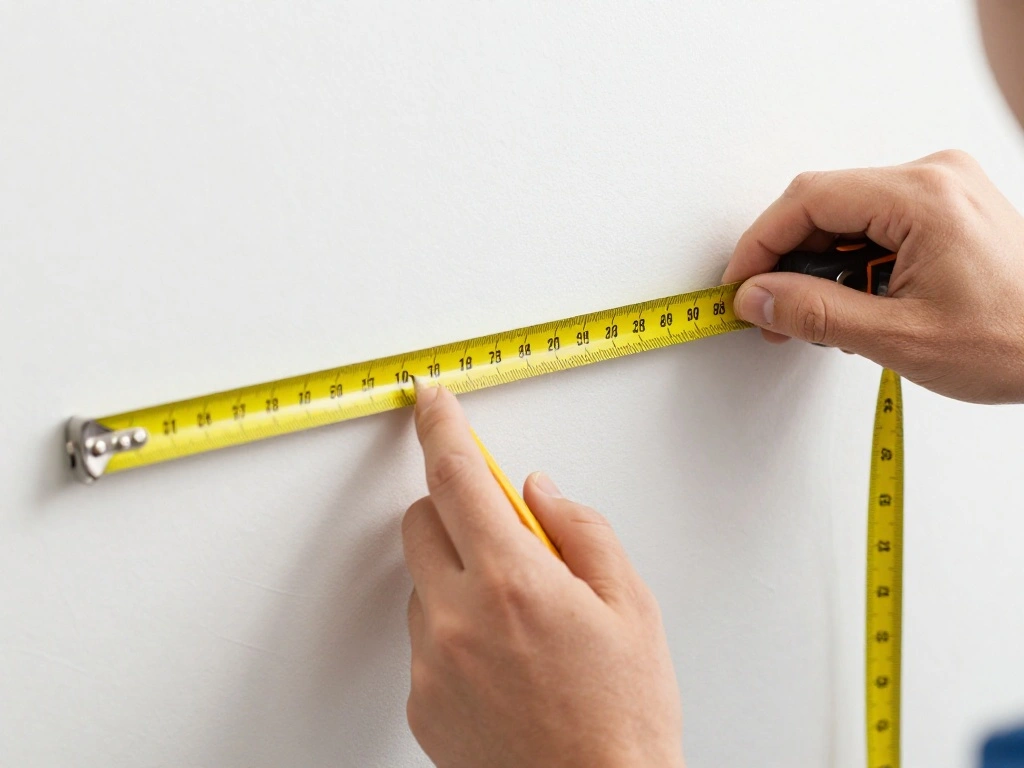
Prepare to hang your art by measuring and marking the wall:
- Use a measuring tape to find the center of the wall.
- Mark key points based on your planned layout.
- Use a level to ensure your marks are straight.
Warning: Double-check your measurements to prevent crooked artwork.
Why this matters: Accurate measurements ensure that your artwork hangs evenly and looks professional. This step should take about 20-30 minutes.
Recommended Products

Package Included: 2 Sets Large Frame Hanging System (Each set includes 1 mounting pieces(180 degree rotary), 2 meter stainless steel cable, 1 adjustable hook)

PERFECTLY LEVEL WALL ART — Skip the frustration of traditional wire hangers. The Fletcher Picture Perfect Hanging System keeps framed artwork level and securely mounted, making it easy to achieve a clean, professional gallery-style display.

PERFECTLY LEVEL WALL ART — Skip the frustration of traditional wire hangers. The Fletcher Picture Perfect Hanging System keeps framed artwork level and securely mounted, making it easy to achieve a clean, professional gallery-style display.
Step 4: Measure and Mark the Wall
Editor’s Choice

Laser Measure 50M/165ft,RockSeed Digital Laser Distance Meter with 2 Bub…

Digital Caliper Measuring Tool, Stainless Steel Vernier Caliper Digital …
Step 5: Prepare the Hanging Tools
Gather and prepare the tools needed for hanging:
- Choose the appropriate hanging method based on the weight of the art pieces.
- For heavier pieces, use picture hooks or nails. For lighter pieces, adhesive strips may work.
- Lay out tools like a hammer, drill, or level for easy access.
Pro Tip: If using a gallery-style system, ensure you follow the manufacturer’s instructions carefully.
Why this matters: Having the right tools at hand makes the hanging process smoother and more efficient. This step should take about 10-15 minutes.
Recommended Products
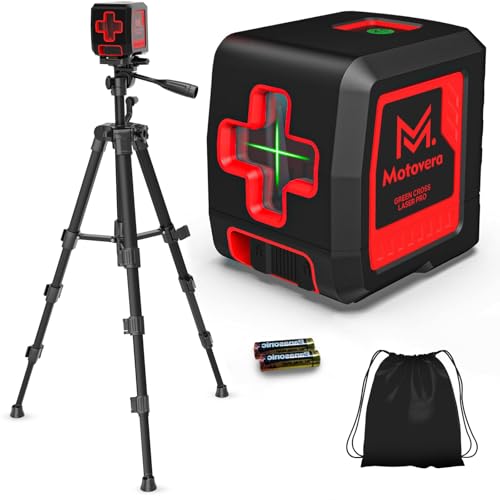
【Ultra-Bright Green Beam & High-Precision Accuracy】Powered by an advanced green laser diode, this tool delivers 4X the brightness of standard red lasers (laser level 360 self leveling). The vivid green cross-line remains clearly visible indoors up to 100ft, even in well-lit conditions. Enjoy professional-grade precision with ±1/9 inch accuracy at 33ft (±3mm @10m) and a wide 110° projection angle. Whether tiling a wall or installing shelving, achieve perfect alignment with zero guesswork. (Class II <5mW, IP54 dust/water resistant),
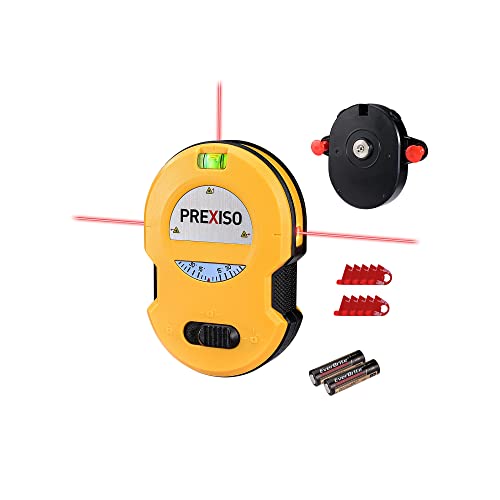
NOTE: This product is not a stud finder or a magnetic nail finder

【Post-sale reminder】: All users purchasing "weiddw" products enjoy a 12-month free warranty.
Step 5: Prepare the Hanging Tools
Editor’s Choice

PREXISO Multi Surface Laser Level LED Light Vial, 30Ft Horizontal & Vert…
Command 20 lb XL 8 Pairs Heavyweight Picture Hanging Strips (16 Strips),…

PHS Anti Theft Picture Hangers – Bulk Pack – 25 Pack Security Frame Lock…
Step 6: Hang Your Artwork
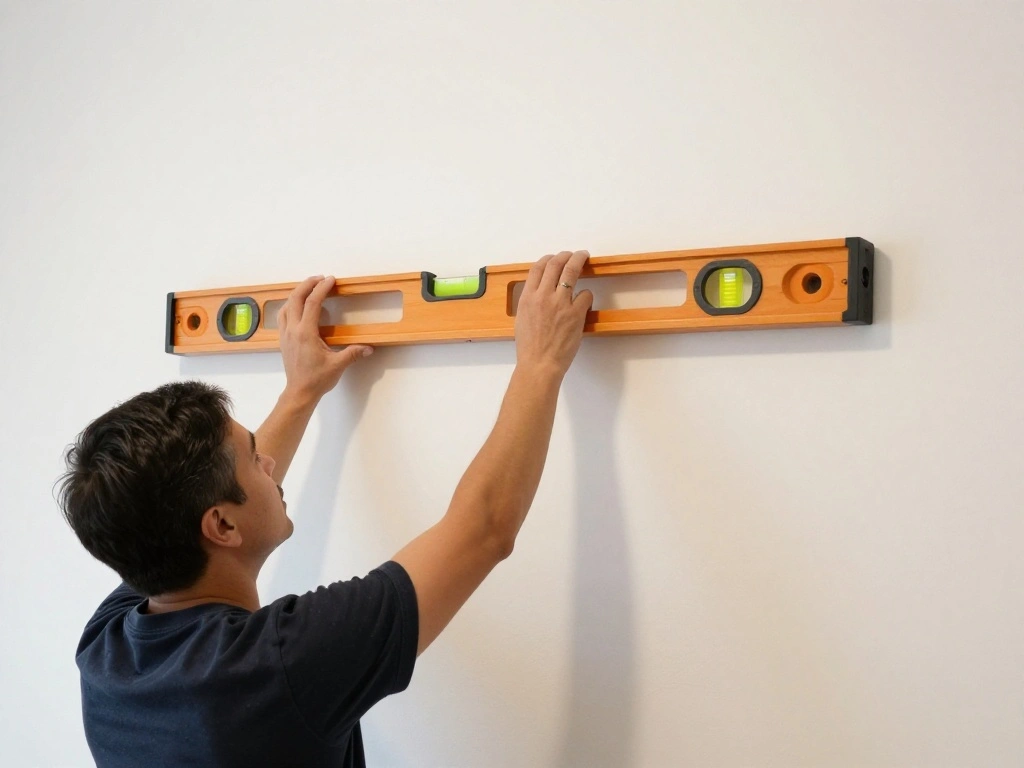
Now it’s time to hang your art:
- Start with the center piece and work your way outwards.
- Use a level to ensure each piece is straight as you hang it.
- Secure the art with your chosen hanging method.
Warning: Avoid placing nails too close together to prevent damage to the wall.
Why this matters: Properly hanging your art prevents damage and ensures each piece is displayed effectively. This step should take about 1-2 hours.
Recommended Products

DAMAGE-FREE PICTURE HANGERS: Includes 12 pairs (24 strips) of White Command Medium (10lb) and 16 pairs (32 strips) of White Command Large (15lb) Picture Hanging Strips, unique hassle-free wall hangers for hanging pictures without nails or damage


MAXIMUM FRAME SIZE 24 X 36 INCHES: One package includes 28 pairs (56 strips total) of the Command Large Picture Hanging Strips; four wall adhesive strip pairs hold 16 pounds; maximum frame of 24 x 36 inches
Step 6: Hang Your Artwork
Editor’s Choice

KURUI Wall Anchors Kit for Hanging Wall Art Decor, 160Pcs Drywall Anchor…
KURUI 303Pcs Picture Hanging Kit, Picture Hangers Assorted Kit with Heav…

Luocute Picture Hanging Level Tool, Sturdy ABS Material Frame Positionin…
Step 7: Step Back and Assess

After hanging all your artwork, take a moment to evaluate:
- Stand back and look at the display from different angles.
- Make sure there are no gaps or awkward placements.
- If needed, adjust the pieces for balance and flow.
Pro Tip: Invite a friend to provide feedback; a fresh pair of eyes can be helpful.
Why this matters: Assessing your work ensures that the display looks polished and cohesive. This step should take about 15-30 minutes.
Recommended Products
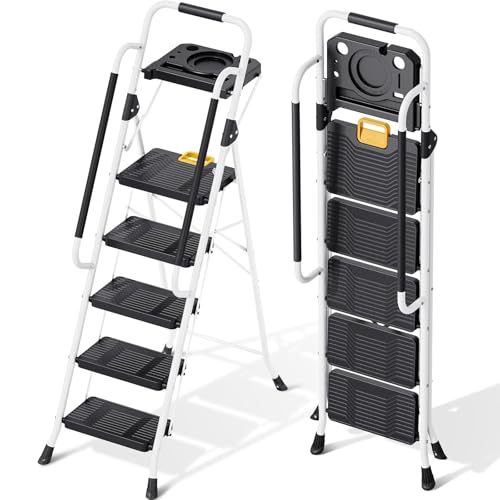
High Intension Material: The KINGRACK folding ladder is made of premium steel and can support up to 800lbs, ensuring superior load capacity and safety, its rust-resistant design guarantees durability for all your heavy-duty tasks
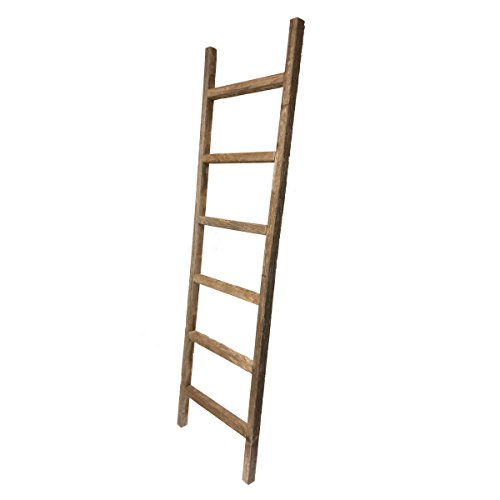
COMES FULLY ASSEMBLED -- Nothing to build, and no complicated instructions. Item will have 6 rungs that are 18 inches wide.

New Safety Lock Design: HBTower 4 step ladder features an innovative lock-free rod system that securely connects the bracket and main frame, reducing wobble and improving overall stability. Simply step down on the top platform to automatically activate the safety lock for added protection during use. Ideal step ladder for reliable home access.
Step 7: Step Back and Assess
Editor’s Choice

Command 15 lb & 10 lb Large and Medium 28 Pairs Picture Hanging Strips (…
Art Display for Kids Artwork – 10ft Alloy Steel Wire with 48 Clips | Wil…

Go Hang It! Pro, All-in-One Picture Hanging Kit – Picture Leveling and H…
Step 8: Final Touches and Cleaning
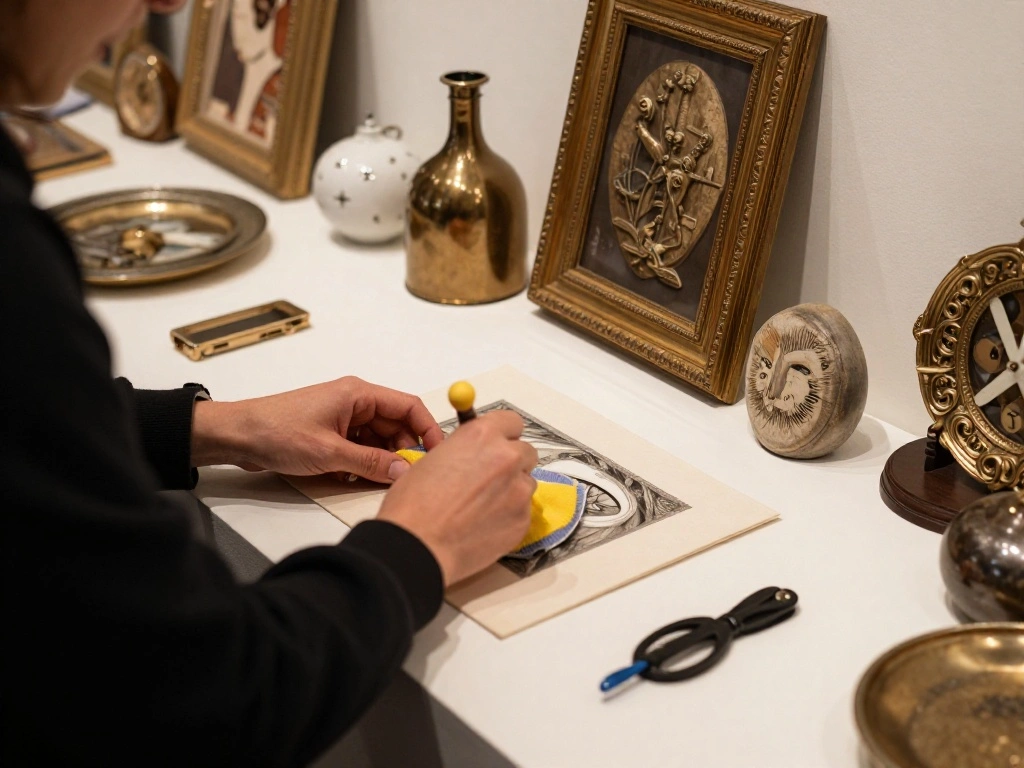
Complete your display with some finishing touches:
- Dust the artwork and clean the glass if applicable.
- Add additional decorative elements like shelves or plants if desired.
- Ensure the lighting highlights the artwork effectively.
Warning: Avoid overcrowding the space with too many additional items.
Why this matters: Final touches enhance the overall presentation and ensure every detail shines. This step should take about 30-45 minutes.
Step 8: Final Touches and Cleaning
Editor’s Choice
EZVALO Picture Light for Wall, 4800mAh Rechargeable Wireless Remote Batt…

WOPITUES Wood Floating Shelves Set of 6, Shelves for Wall Decor, Farmhou…

HOMEXCEL Microfiber Cleaning Cloth 210GSM, Pack of 12, Size:11.5″ x 11.5…
Step 9: Enjoy Your New Art Display
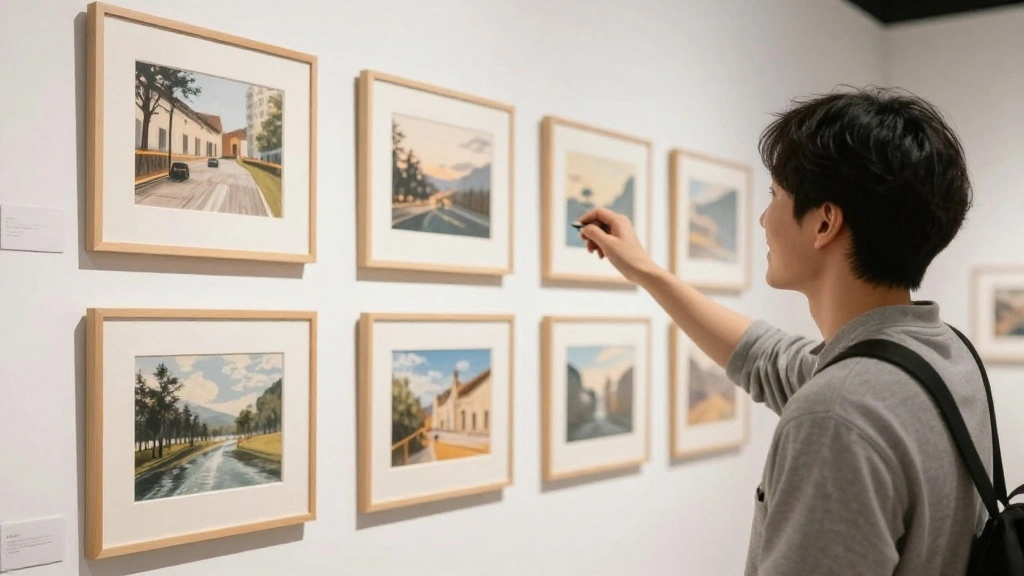
Finally, take a moment to enjoy your newly created floor-to-ceiling art display!
- Invite friends or family to view your work and share your inspiration.
- Consider taking photos to document your accomplishment.
- Continue to add or rotate artwork as your style evolves.
Pro Tip: Regularly change out pieces to keep your display fresh and engaging.
Why this matters: Enjoying your work reinforces the effort you put into creating a beautiful space. This step should take about 15-20 minutes.
Step 9: Enjoy Your New Art Display
Editor’s Choice
Art Display for Kids Artwork – 10ft Alloy Steel Wire with 48 Clips | Wil…

4 Pack Kids Artwork Frames Changeable 8.5 x 11 Inch Children Art Project…
Pro Tips
- Theme Matters: Choose a theme that resonates with you to create a cohesive look.
- Variety is Key: Mix different art styles and sizes for an engaging display.
- Lighting Enhancements: Use spotlights or natural light to highlight your art pieces.
- Rotate Artwork: Regularly update your display to keep it fresh and exciting.
- Invest in Quality: Use high-quality frames and materials for a more polished look.
Pro Tips
Editor’s Choice
Art Display for Kids Artwork – 10ft Alloy Steel Wire with 48 Clips | Wil…
upsimples 19 Pack Picture Frames Collage Wall Decor for Mounting or Tabl…
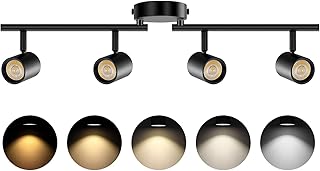
VANoopee 5-Color 4 Light Black LED Track Lighting Fixtures Ceiling for K…
Common Mistakes to Avoid
Warning: 1. Hanging artwork too high can make it hard to appreciate. Always aim for eye level.
Warning: 2. Overcrowding the wall can overwhelm viewers. Leave space between pieces.
Warning: 3. Ignoring lighting can diminish the art’s impact. Make sure it’s well-lit.
Warning: 4. Using incorrect hanging methods can damage walls. Choose the right tools for each piece.
Warning: 5. Not stepping back to assess can lead to an unbalanced display. Always check from a distance.
Common Mistakes to Avoid
Editor’s Choice
KURUI 303Pcs Picture Hanging Kit, Picture Hangers Assorted Kit with Heav…
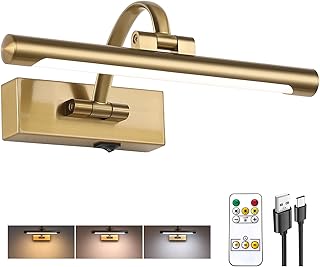
Tassuowell Rechargeable Picture Light with Remote Control,12 Inch Brass …

Luomorgo 12 Pcs 1/2″ x 0.78″ Stainless Steel Standoff Screws, Wall Sign …
Troubleshooting Section
Problem: Artwork looks crooked.
Solution: Use a level to adjust and ensure it’s straight. Rehang if necessary.
Problem: Gaps between pieces are too large.
Solution: Rearrange the layout on the floor before adjusting the heights when hanging.
Problem: Wall damage from hanging.
Solution: Use wall repair kits for touch-ups and choose better hanging tools next time.
Problem: The display feels cluttered.
Solution: Remove one or two pieces to create a more balanced look.
Problem: Colors clash.
Solution: Consider changing out certain pieces for a more cohesive color palette.
Troubleshooting Section
Editor’s Choice

Wenqik 45 Pcs Adhesive Picture Hanger Foamboard Picture Hanging Hooks Wi…

SolidFix 10ft Concrete Crack Repair Kit with All Tools – Professional …
Torpedo Level Magnetic, Firecore 9 Inch Shockproof Small Leveler Tool wi…
Variations/Alternative Methods
1. Gallery Wall: Instead of a floor-to-ceiling display, consider a gallery wall that is framed and organized in a grid pattern. This works well in smaller spaces.
2. Shelf Display: Use floating shelves to showcase smaller artworks and sculptures. This allows flexibility for changing displays.
3. Collage Style: Create a collage of mixed media pieces, combining textures and materials for a more dynamic display.
Variations/Alternative Methods
Editor’s Choice

Vittanly 15 Pack Picture Frames Collage Wall Decor for Mounting or Table…

QEEIG Bathroom Floating Shelves for Wall – 15.7″ Wall Mounted Shelf Over…

MELANNCO Collage Picture Frame 18×23 Inch Black – Holds 12 Photos in 4×6…
FAQs
What if I don’t have enough wall space? Consider creating a gallery wall or using shelves to showcase your art vertically.
How long should I wait before changing the artwork? You can change it as often as you like, but every few months keeps it fresh.
Is it safe to hang heavy pieces? Yes, as long as you use the proper hanging tools and methods for the weight of the piece.
What if my art pieces are different sizes? Embrace the variety! Arrange them thoughtfully for a balanced look.
Can I mix different styles of art? Absolutely! Mixing styles can create a more interesting and personalized display.
FAQs
Editor’s Choice
Vittanly 15 Pack Picture Frames Collage Wall Decor for Mounting or Table…

BAYKA Floating Shelves for Wall, Wall Mounted Rustic Wood Shelves for Ba…

3-in-1 Picture Hanging Tool, All-in-One Art Hanging Kit with Leveling, P…
Conclusion
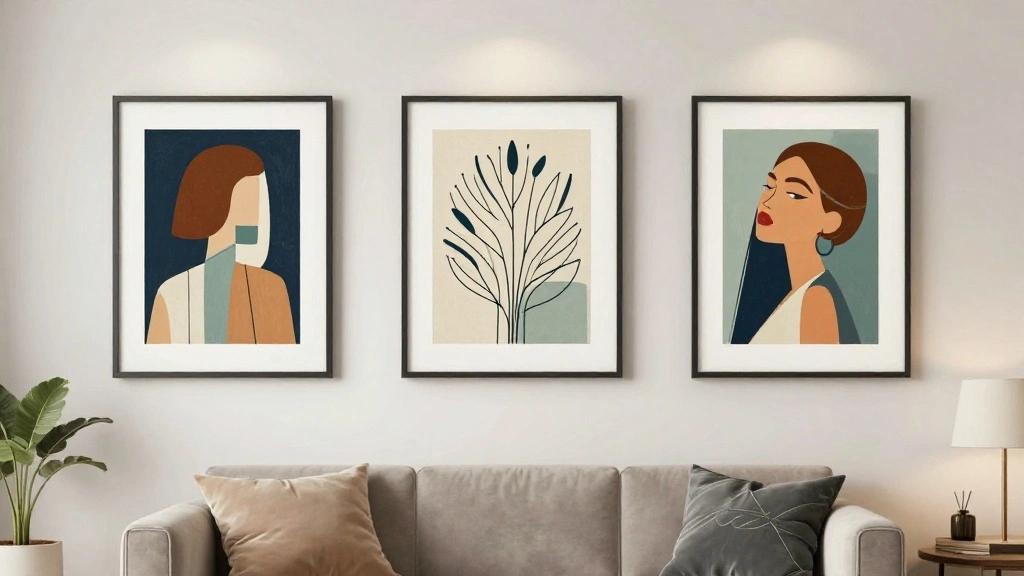
Congratulations! You have successfully created a stunning floor-to-ceiling art display that reflects your personality and style. Take a moment to appreciate your hard work and the beautiful transformation of your space.
Now that you have this new focal point, consider hosting a small gathering to show it off! You can also continue to explore different art styles and rotate your pieces to keep the display feeling fresh and inspiring. Enjoy your artistic journey!