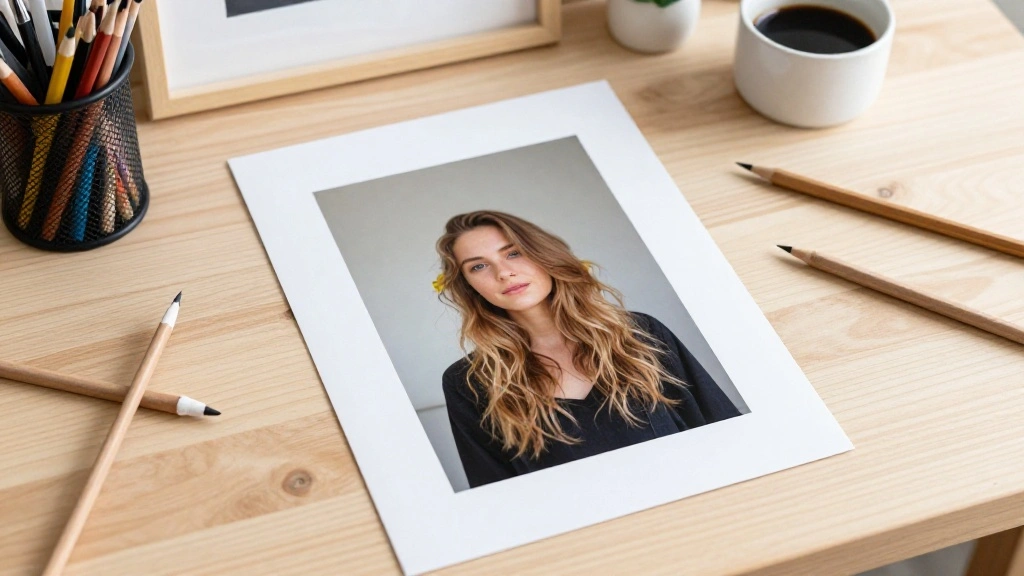
Are you tired of blank walls in your home? Want to add a personal touch to your decor? Transferring a photo onto a canvas is a fantastic way to create unique DIY wall art that showcases your cherished memories and creativity. Not only will you beautify your space, but you’ll also have a personalized piece of art that tells your story.
In this guide, you’ll learn how to easily transfer your favorite photos onto canvas, resulting in stunning wall art that will impress your friends and family. By following our step-by-step instructions, you’ll create a masterpiece that reflects your style and personality.
This project is beginner-friendly and can be completed in 2-3 hours. Get ready to unleash your creativity and transform your space!
TL;DR Summary
- Gather materials to transfer a photo onto a canvas.
- Prepare the canvas and photo for transfer.
- Apply transfer medium and position the photo.
- Remove the paper backing to reveal the image on the canvas.
- Seal your artwork for protection and longevity.
Recommended Products

CONVENIENT SIZE – Add this unique photo transfer medium in a 8 oz bottle to your art supplies for a simple way to personalize your arts and crafts

CONVENIENT SIZE – Add this unique photo transfer medium in a 8 oz bottle to your art supplies for a simple way to personalize your arts and crafts

CONVENIENT SIZE – Add this unique clear photo transfer medium in a 8 oz bottle to your art supplies for a simple way to personalize your arts and crafts
TL;DR Summary
Editor’s Choice

Mod Podge Photo Transfer Medium (8-Ounce), CS15067


Acrylic Varnish, Gloss Varnish for Acrylic Painting, Non-Yellowing, Resi…

ESRICH Canvas Boards for Painting, 5 Pack Canvases for Painting 8×10 Cot…
Prerequisites/Materials Needed
- Canvas: 1 piece (any size you prefer)
- Photo Print: 1 copy (laser printed on regular paper)
- Transfer Medium: Gel medium or Mod Podge (8 oz)
- Brush: 1 medium-sized paintbrush
- Water: For dampening the paper
- Rag or Sponge: For rubbing off the paper
- Sealant: Clear spray or brush-on sealant (optional)
Recommended Products

EVERYTHING YOU NEED - This Mod Podge Photo Transfer Kit includes an 8 oz bottle of photo transfer medium, squeegee, brayer, and two brush applicators


CONVENIENT & VERSATILE SIZE – Mod Podge Fabric is an all-in-one glue, sealer, and finish that's perfect for all your fashion crafts. Add this unique formula, in an 8 oz bottle, to your art supplies
Prerequisites/Materials Needed
Editor’s Choice
Skill Level & Time Estimate
Skill Level: beginner
Total Time Estimate: 2-3 hours
Here’s a breakdown of time by major steps:
- Preparation: 30 minutes
- Transfer Process: 1-2 hours
- Drying Time: 1 hour
Recommended Products

1/8’’ Thick birch board is joined to the 5/8’’ depth cradle with a strong adhesive, eliminating the need for staples, nails that would mar the smooth, flat surface of the panel

1/8’’ Thick birch board is joined to the 5/8’’ depth cradle with a strong adhesive, eliminating the need for staples, nails that would mar the smooth, flat surface of the panel

1/8’’ Thick birch board is joined to the 5/8’’ depth cradle with a strong adhesive, eliminating the need for staples, nails that would mar the smooth, flat surface of the panel
Skill Level & Time Estimate
Editor’s Choice

ESRICH Canvas Boards for Painting, 90 Pack Canvases for Painting 8×10 Co…
Mod Podge Photo Transfer Medium (8-Ounce), CS15067
Step 1: Gather Your Materials

Start by collecting all the necessary materials listed in the Prerequisites section. Having everything ready will make the process smoother and more enjoyable.
- Choose your canvas size and photo print.
- Ensure your photo is printed using a laser printer; inkjet prints won’t transfer well.
- Set up your workspace with good lighting.
Pro Tip: Organize your materials in a way that is easy to reach during the project. This will save you time and effort.
Time estimate: 15 minutes.
Recommended Products

💕TRU-LIGHT HEAT TRANSFER PAPER: Compatible with both INKJET & LASER printers, scissors & cutting machine. The printing quality is quite vivid and vibrant. Easy to transfer and use. Machine washable with cold water in Full Cycle mode. No tumble dry. No peeling, no cracking after 30 washes. Pack of 20 Sheets Light 3.0 Transfer Paper and 2 Sheets 11x17" Teflon Paper.

💕TRU-LIGHT HEAT TRANSFER PAPER: Compatible with both INKJET & LASER printers, scissors & cutting machine. The printing quality is quite vivid and vibrant. Easy to transfer and use. Machine washable with cold water in Full Cycle mode. No tumble dry. Pack of 10 sheets Light 3.0 Transfer Paper and 1 sheet 11x17" Teflon Paper.

💕TRU-DARK HEAT TRANSFER PAPER: Compatible with both INKJET & LASER printers, scissors & cutting machines. The printing quality is quite vivid and vibrant. Easy to transfer and use. Machine washable with cold water in Full Cycle mode. No tumble dry. Pack of 10 sheets Dark 3.0 Transfer Paper and 1 sheet reusable Teflon Paper.
Step 1: Gather Your Materials
Editor’s Choice

Brother DCP-L2640DW Wireless Compact Monochrome Multi-Function Laser Pri…

Simetufy 12 Pack 8×10 Canvas Boards for Painting, Blank Flat Canvas Pane…
Step 2: Prepare the Canvas
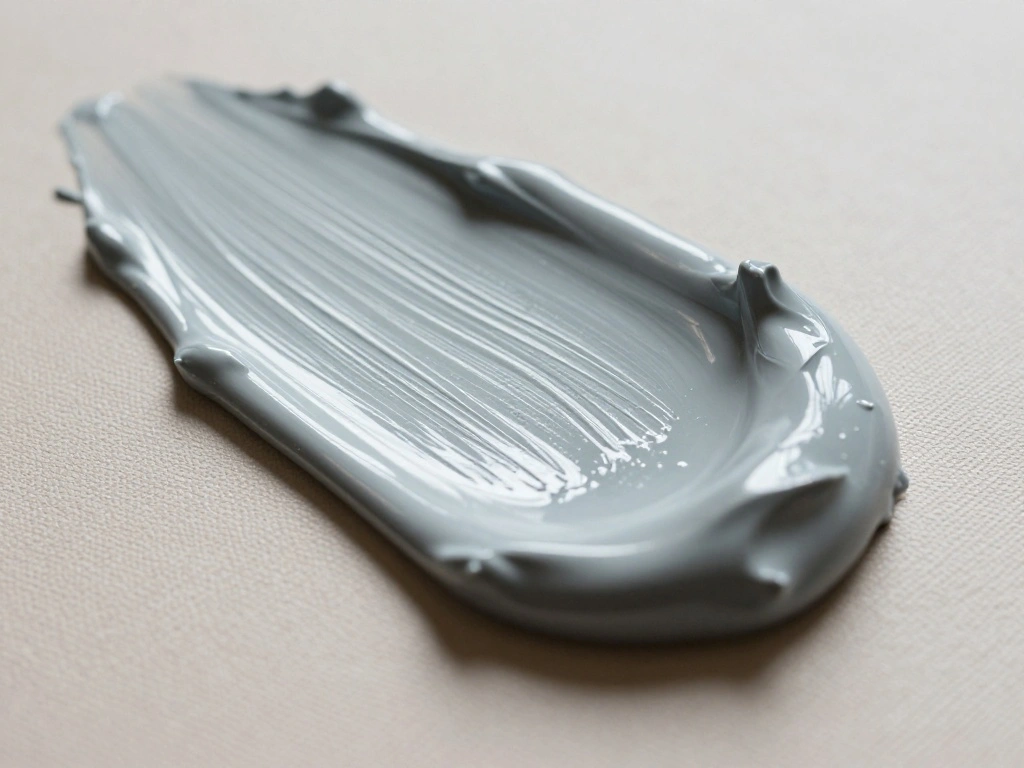
Your canvas must be ready for the photo transfer. Start by applying a thin layer of the transfer medium to the canvas surface.
- Use your brush to apply the gel medium evenly across the canvas.
- Make sure the entire area where the photo will go is covered.
Warning: Avoid leaving excess medium; it could create uneven textures when dried.
Why this matters: A smooth surface ensures an even transfer of your photo.
Time estimate: 20 minutes.
Recommended Products
CRYSTAL-CLEAR WET-LOOK GLOSS: Clear acrylic paint sealer adds a bold reflective shine that makes finished acrylic paintings look richer, deeper and more vibrant—without cloudy haze or a dull finish.

Protective Coating: Our premium acrylic varnish provides a durable and protective layer over your artwork, safeguarding it from dust, moisture, and UV damage.

PROTECT & SEAL: Nicpro Large Gloss Varnish (8.45 oz, 250 ml) provides long term sealing and enhanced protection for Acrylic Painting. It provides effective protection against dust, UV rays and yellowing for a long-lasting bright painting.
Step 3: Position the Photo
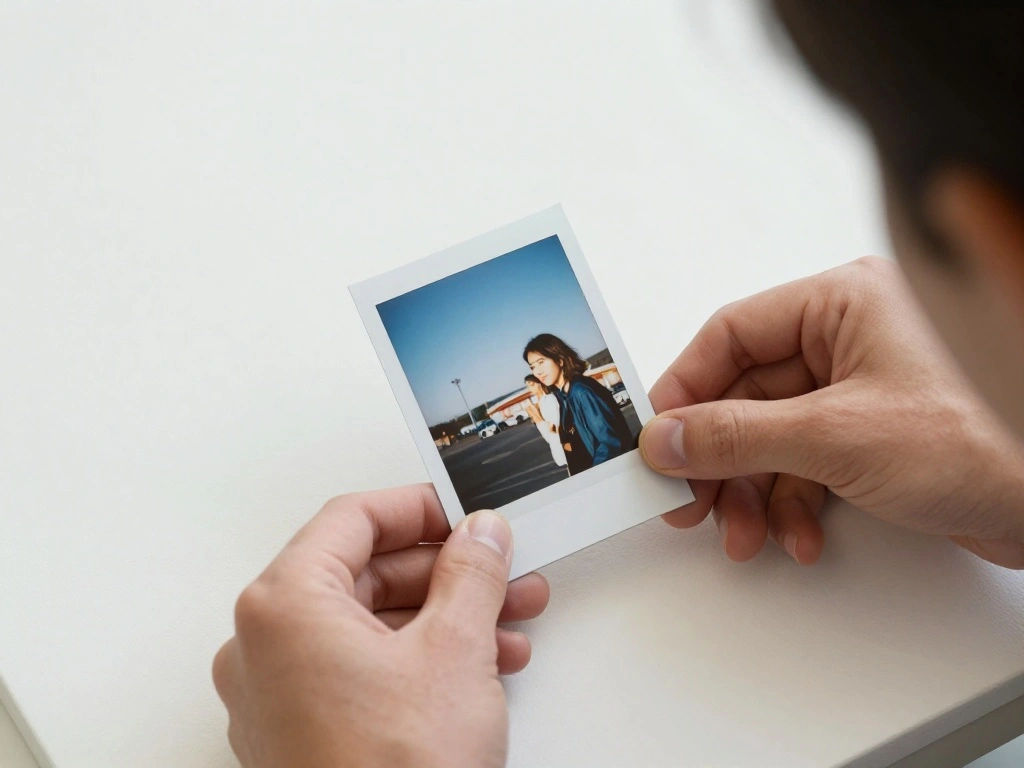
Now it’s time to position your photo onto the canvas. This step is crucial for achieving the desired effect.
- Carefully place the photo face down onto the canvas.
- Make sure it’s aligned properly before pressing down.
Pro Tip: Use a ruler or measuring tape to ensure your photo is centered if needed.
Why this matters: Proper alignment ensures that your image looks balanced and aesthetically pleasing.
Time estimate: 15 minutes.
Recommended Products
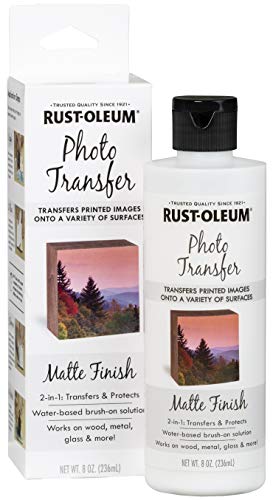
Transfers laser printed photos or graphics to wood, metal, glass, fabric and more for gifts or custom décor

GET BEAUTIFUL RESULTS WITH EVERY TRANSFER: Transfer photos, artwork and graphics with ease onto wood and other hard surfaces with consistent, vibrant results for unique handmade gifts, personalized signs, memorial gifts, family keepsakes, ornaments, home decor and more.
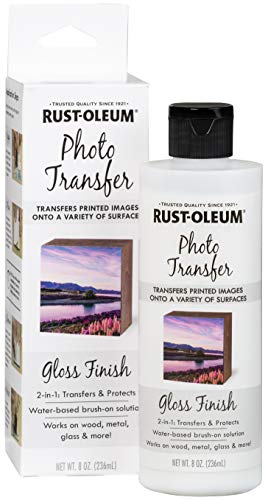
Transfers laser printed photos or graphics to wood, metal, glass, fabric and more for gifts or custom décor
Step 3: Position the Photo
Editor’s Choice
Simetufy 12 Pack 8×10 Canvas Boards for Painting, Blank Flat Canvas Pane…

Mr. Pen- Metal Straight Edge Ruler, 4 pcs, 6″, 8″, 12″, 14″, Stainless S…
CRAFTSMAN 25-Ft Tape Measure with Fraction Markings, Retractable, Self-L…
Step 4: Apply Pressure and Wait

After positioning your photo, it’s important to apply pressure to ensure a good transfer.
- Use your hands or a flat tool to press down on the photo gently.
- Make sure there are no air bubbles under the photo.
Warning: Avoid using too much force, as this can distort the image.
Why this matters: Applying pressure helps the transfer medium adhere and ensures a clear image on the canvas.
Time estimate: 30 minutes.
Recommended Products
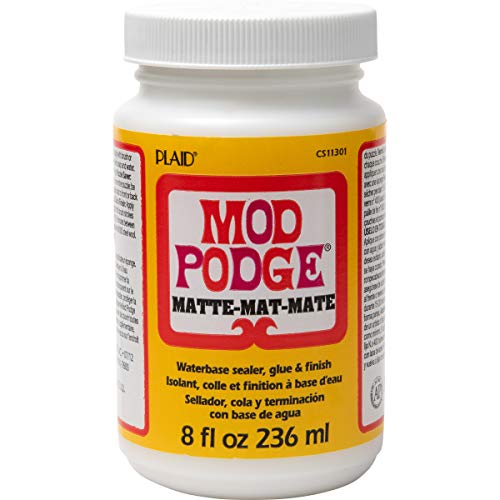
CONVENIENT & VERSATILE SIZE – Add this multi-purpose, all-in-one glue, sealer, and finish in a 8 oz size to your art supplies

Multi-Purpose Use: Mod Podge serves as an all-in-one glue, sealer, and finish, eliminating the need for multiple products and making it a staple in any crafter's toolkit.

Mod Podge Photo Transfer Medium - Multi-purpose medium formula for transferring your photos to a variety of surfaces. 8-ounce size.
Step 4: Apply Pressure and Wait
Editor’s Choice
Mod Podge Photo Transfer Medium (8-Ounce), CS15067

4-Inch Rubber Brayer Roller for Printmaking, Great for Gluing Applicatio…
Simetufy 12 Pack 8×10 Canvas Boards for Painting, Blank Flat Canvas Pane…
Step 5: Remove the Paper Backing

Once the transfer medium has dried (about an hour), you can start to reveal your image.
- Dampen a rag or sponge with water.
- Gently rub the paper backing to loosen it.
- Peel away the paper to reveal your photo underneath.
Pro Tip: Take your time during this step; rushing can lead to tearing the image.
Why this matters: Properly removing the paper backing ensures that your image remains intact and vibrant.
Time estimate: 30 minutes.
Recommended Products

1/8’’ Thick birch board is joined to the 5/8'’ depth cradle with a strong adhesive, eliminating the need for staples, nails that would mar the smooth, flat surface of the panel
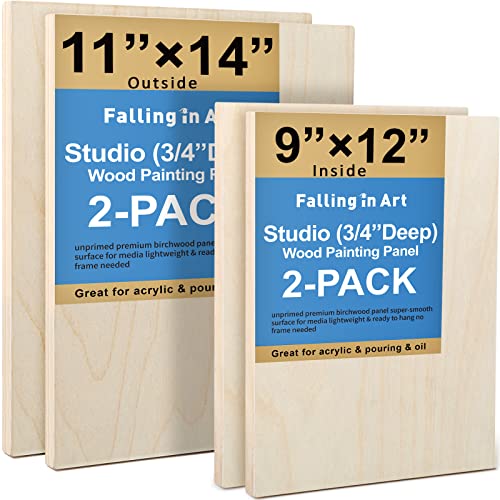
The face of the panel is made from real birch wood, the natural grain is visible on each and every panel, the hard-surfaced and sanded wood board will not easily stretch, flex or bend like traditional canvas

1/8’’ Thick birch board is joined to the 5/8’’ depth cradle with a strong adhesive, eliminating the need for staples, nails that would mar the smooth, flat surface of the panel
Step 5: Remove the Paper Backing
Editor’s Choice
Mod Podge Photo Transfer Medium (8-Ounce), CS15067
ESRICH Canvas Boards for Painting, 5 Pack Canvases for Painting 8×10 Cot…

Microfiber Wipes 9″x9″(50 Pcs,Class 100, 200GSM) Superfine Lint Free Clo…
Step 6: Seal Your Artwork

To protect your newly created canvas art, sealing it is essential.
- Once the image is completely dry, spray or brush on a clear sealant.
- Allow it to dry according to the manufacturer’s instructions.
Warning: Ensure you’re in a well-ventilated area when applying sealant to avoid inhaling fumes.
Why this matters: Sealing your artwork protects it from dust and moisture and enhances its longevity.
Time estimate: 15 minutes.
Recommended Products

Pack of 5 Iron On Printing Paper in 8.5X11” for Wood. NuFun’s patented technology has been used for 25+ years by both professionals and amateurs to create custom designs for family events, businesses, promotional gifts, and more.

Design and print your own iron-on transfers on 8.5" x 11" printable transfer sheets that are great for custom branded apparel, home décor DIYs, personalized gifts, and more
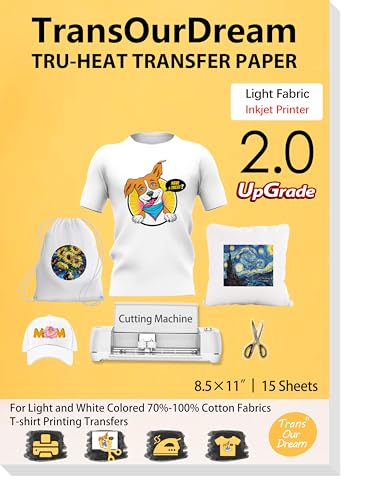
💕TRU-TRANSFER PAPER: 2nd Generation Light Transfer paper. Pack of 15 sheets Light transfer paper and 3 sheets Reusable Teflon Paper. [1] Easy to Cricut. [2] Lower melting point than others and Easy to Iron-on. [3] No Mirror Printing. [4] Extremely bright, stretchable and durable.
Step 6: Seal Your Artwork
Editor’s Choice

Mod Podge Spray Acrylic Sealer that is Specifically Formulated to Seal C…

Aleene’s 26412 Spray Gloss Finish, 6 Oz Acrylic Sealer, Original Version…

KOCHCHEMIE – Hydro Foam Sealant – S0.03 – High-Gloss Spray-on Sealant – …
Pro Tips
- Choose the Right Photo: Use high-contrast images for better results.
- Experiment with Size: Try different canvas sizes to see what works best for your space.
- Layer Your Artwork: Consider using multiple images on one canvas for a collage effect.
- Try Different Mediums: Test various transfer mediums to see which works best for your project.
- Practice Makes Perfect: Don’t be discouraged if your first attempt isn’t perfect; keep trying!
Recommended Products

Permanent matte varnish used to protect finished paintings

Long-Lasting Gloss: Enhance the brilliance of your acrylic paintings with a gloss varnish for acrylic painting that restores vibrant color and depth. This acrylic gloss varnish highlights intricate details while maintaining the true tones of your artwork. Its long-lasting finish ensures your creations stay visually striking over time, giving your pieces a polished, professional look
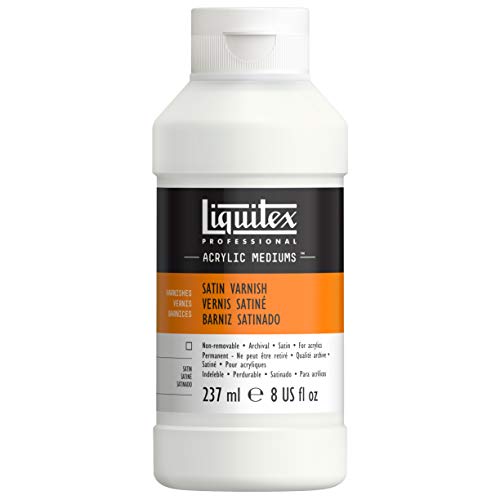
Archival; Permanent; Non-Removable; Satin Gloss finish
Pro Tips
Editor’s Choice

TransOurDream Upgraded Iron on Heat Transfer Paper for T Shirts (20 Shee…
Simetufy 12 Pack 8×10 Canvas Boards for Painting, Blank Flat Canvas Pane…

Epson EcoTank Photo ET-8550 Wireless Wide-Format Color All-in-One Supert…
Common Mistakes to Avoid
Warning: Don’t use inkjet prints. They won’t transfer correctly. Always opt for laser prints to ensure success.Warning: Avoid applying too much medium. This can lead to a messy transfer. Always use a light, even coat.Warning: Rushing the drying process can ruin your artwork. Always allow adequate time for the medium to dry completely.Warning: Not sealing your artwork leaves it vulnerable to damage. Always apply a sealant after the transfer.Warning: Using a rough surface canvas can lead to poor image quality. Choose a smooth canvas for best results.
Common Mistakes to Avoid
Editor’s Choice
Brother DCP-L2640DW Wireless Compact Monochrome Multi-Function Laser Pri…
Simetufy 12 Pack 8×10 Canvas Boards for Painting, Blank Flat Canvas Pane…
TransOurDream Upgraded Iron on Heat Transfer Paper for T Shirts (20 Shee…
Troubleshooting Section
Problem: The image is blurry after transfer.
Solution: Ensure you applied a thin, even layer of medium and used a laser print.
Problem: The photo didn’t transfer completely.
Solution: Rub the paper backing a bit more gently and thoroughly.
Problem: There are air bubbles under the photo.
Solution: Next time, apply more pressure to eliminate air bubbles.
Problem: The colors look faded.
Solution: Ensure you use high-contrast images and consider using a sealant to enhance colors.
Problem: The transfer medium is peeling off.
Solution: Make sure to seal the artwork properly after it dries.
Troubleshooting Section
Editor’s Choice
Brother DCP-L2640DW Wireless Compact Monochrome Multi-Function Laser Pri…
4-Inch Rubber Brayer Roller for Printmaking, Great for Gluing Applicatio…
Mod Podge Photo Transfer Medium (8-Ounce), CS15067
Variations/Alternative Methods
1. Use Acrylic Paint: Instead of transfer medium, use acrylic paint to paint over your photo. It gives a unique painted effect.
2. Fabric Transfer: Use fabric transfer paper for a softer look on canvas. Ideal for photos with lots of color.
3. Decoupage Technique: Cut your photo into pieces and decoupage them on the canvas for a textured look.
Choose the method based on the desired effect and materials you have at hand!
Variations/Alternative Methods
Editor’s Choice

Shuttle Art Acrylic Paint, 36 Colors Acrylic Paint Set with Brushes & Pa…

TransOurDream Upgraded Iron on Heat Transfer Paper for T Shirts (8.5×11’…

Gloss Sealer, Glue & Finish: All-in-One Craft Solution- Quick Dry, Easy …
FAQs
What if I don’t have a laser printer? You can get your photo printed at a local print shop that offers laser printing services.
How long should I let the medium dry? Let the medium dry for at least an hour before peeling off the backing.
Is it safe to use Mod Podge? Yes, Mod Podge is safe and widely used for photo transfers.
What if my photo gets damaged during transfer? If it tears, you can use a bit of the transfer medium to patch it up.
Can I use this method for larger images? Yes, just ensure you have a larger canvas and enough transfer medium.
FAQs
Editor’s Choice
TransOurDream Upgraded Iron on Heat Transfer Paper for T Shirts (8.5×11’…
Simetufy 12 Pack 8×10 Canvas Boards for Painting, Blank Flat Canvas Pane…
Conclusion
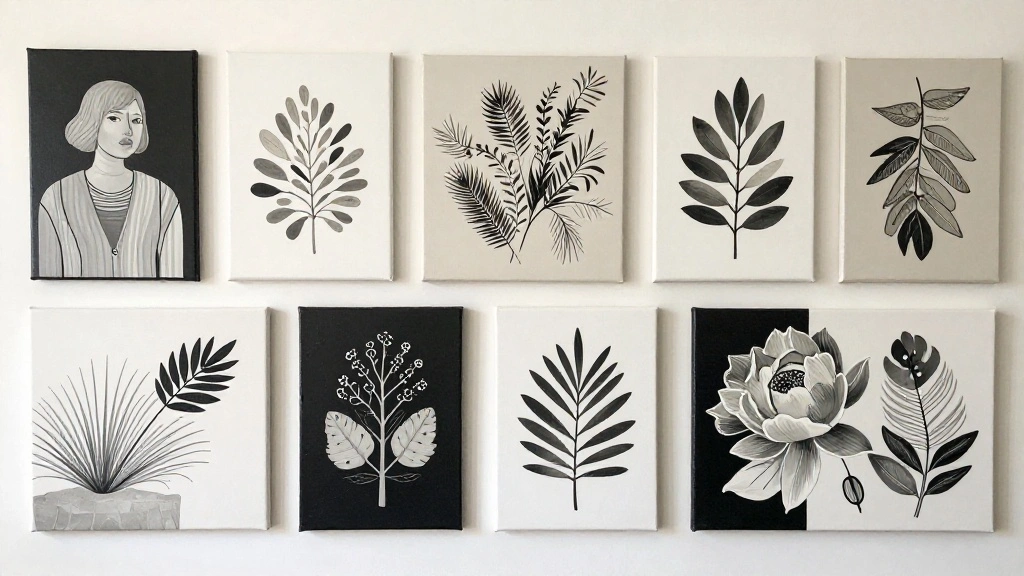
Congratulations on completing your photo transfer onto canvas! You’ve transformed a simple image into a beautiful piece of wall art that adds personality to your space.
Now that you’ve mastered this technique, consider exploring other DIY projects or enhancing your artwork with additional decorations. Share your creations with friends and continue to inspire others!
Keep practicing, and soon you will be creating stunning pieces of art that reflect your unique style.